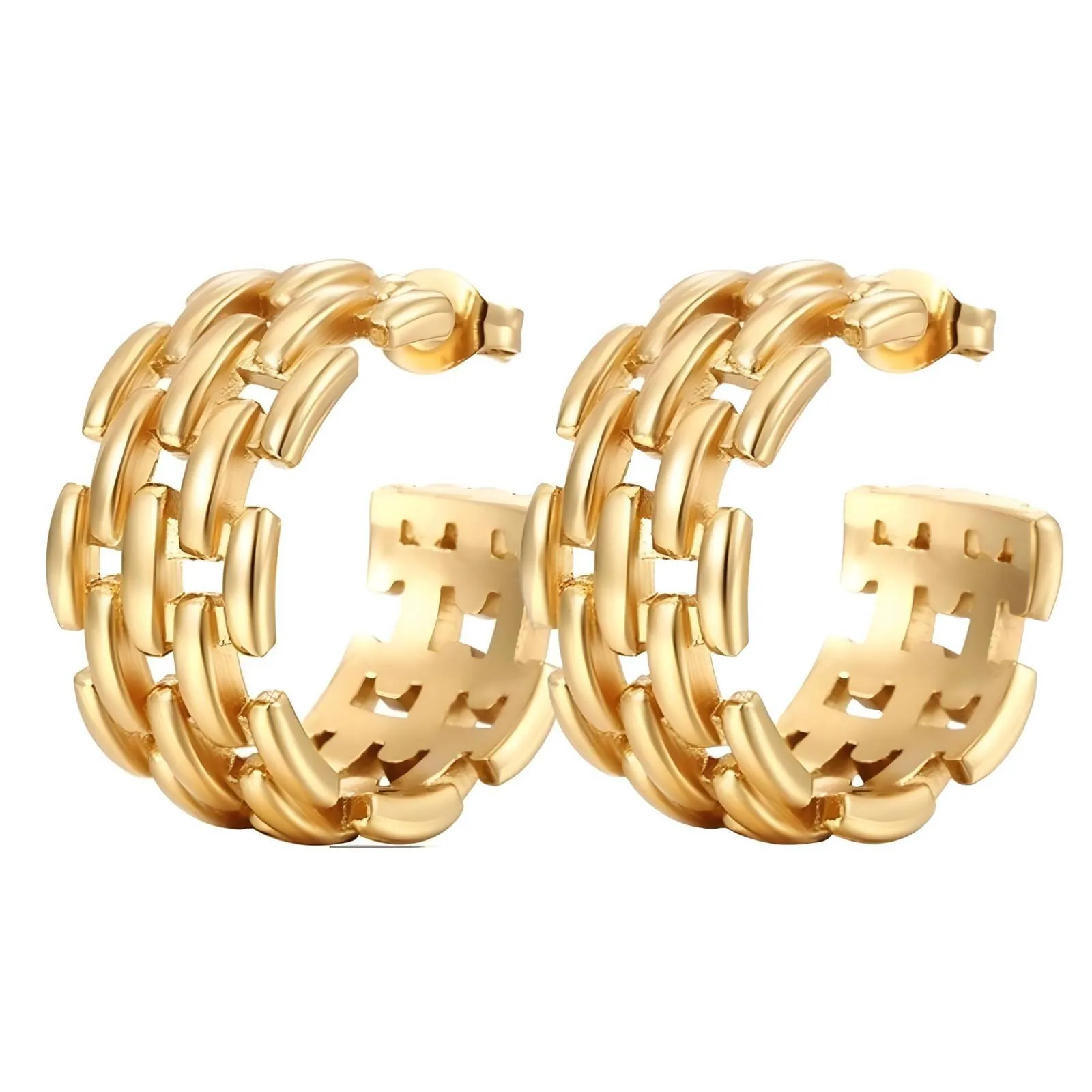
The safest everyday answer is simple: take gold-plated jewelry off before you shower. That is not because one forgotten necklace or pair of earrings is suddenly ruined. It is because repeated showers add the exact things a plated finish does not need more of, including warm water, steam, soap, shampoo, conditioner, residue, and the friction of getting clean and towel-drying afterward.
Gold-plated jewelry is made to be enjoyed, not treated like a museum piece. A realistic routine is all it needs. If you forget once, dry it gently and move on. If you want the gold tone to stay even for longer, make removing it before a shower part of the same small routine as taking off a watch or setting aside a favorite pair of hoops.
The short answer: remove it before you shower
Gold plating is a finish over another metal, not solid gold all the way through. The Federal Trade Commission explains that plating eventually wears away, with the pace depending on the thickness of the layer and how an item is worn. That is why a shower is not simply a question of whether gold can get wet. It is a question of how often a thin surface finish meets water, products, and rubbing.
For regular showering, remove gold-plated pieces first. A single shower or splash does not usually create a visible change, so there is no need to panic if you forget. The effect is cumulative. A daily pattern gives residue and friction more chances to dull a surface or make high-contact areas show wear sooner.

What a shower adds beyond water
Water is only part of the picture. Shampoo, conditioner, body wash, exfoliating products, and skincare can leave a film in chain links, around clasps, and behind earring backs. Warm steam keeps a piece damp longer, while rubbing it against skin, hair, a washcloth, or a towel adds small amounts of friction. Those ordinary moments are more important than a dramatic one-time accident.
Some products deserve extra caution. The Gemological Institute of America notes that exposure to chemicals can damage or discolor precious metals and that common cosmetics such as lotion, perfume, and hairspray can be hard on delicate jewelry materials. Chlorinated pools and household cleaners are separate situations where taking jewelry off is especially sensible.
Think of showering as a maintenance choice, not a test of whether a piece is good enough. A plated necklace may look perfectly fine after a quick rinse, while repeated product exposure gradually makes the finish look less bright. Taking it off is the low-effort option that gives the piece less to contend with.
Does the base metal change the advice?
Yes, the material under the gold finish matters, but it does not erase the need for gentle care. A gold-plated piece can be made over different metals. When the surface layer wears, the base material may influence how the piece looks and behaves. It is one reason two items that both look gold in a product photo can age differently.
Stainless steel is often chosen for everyday jewelry because it is more resistant to corrosion than many fashion-metal bases. Clothworks Shop has several pieces described as 18K gold-plated stainless steel, including the textured hoop earrings shown above. That can be a practical material detail, but the gold-colored outer layer is still the surface you are trying to protect.
Unless the exact listing explicitly gives water-wear guidance, the safe default is still to remove a gold-plated stainless steel piece before showering. This avoids making claims about coating thickness or manufacturing methods that a particular listing does not provide, and it keeps the routine simple for the jewelry you already own.

What to do when you forget
First, do not scrub. Take the piece off when you can and blot it dry with a clean, soft cloth. Use light pressure, especially around a clasp, earring post, stone, or decorative detail. If a chain has been wet, lay it open on a dry towel for a little while so moisture is not trapped in the links.
Skip toothpaste, baking soda, polishing compounds, rough paper towels, and stiff brushes. Those shortcuts can add abrasion to a surface that is already meant to be handled gently. If the jewelry has picked up visible soap film, wait until it is dry and follow a light-touch routine instead. Our guide to cleaning gold-plated jewelry without damage explains how to do that without turning a small cleanup into a harsher treatment.
For a sentimental item, a piece with glued stones, pearls, enamel, or a finish that already looks uneven, restraint is the better move. Let it dry completely and ask a reputable jeweler for advice if something looks loose, lifted, or damaged. Cleaning can remove residue. It cannot rebuild plating that has worn away.
Build an easy shower-proof routine
1. Keep a landing spot near where you get ready
A small tray or soft dish outside the bathroom splash zone gives you a place to put earrings and necklaces before a shower. The best routine is not the most elaborate one. It is the one you can repeat when you are tired, rushed, or half-awake.
2. Put jewelry on last
After you shower, let skincare, lotion, fragrance, and hair products settle before putting jewelry on. This keeps a plated surface from becoming the first place those products land. It also makes the habit feel less like taking something away and more like the finishing step of getting ready.
3. Take it off before water, workouts, and cleaning
Showers are an easy reminder for a broader rule: remove plated pieces before swimming, exercising, doing dishes, or using household cleaners. These are the times when moisture, sweat, salt, chlorine, or chemicals are likely to sit on the surface. The guide to what can change in gold-plated jewelry over time explains why those repeated conditions matter.
4. Store it clean, dry, and separate
Once a piece is fully dry, store it in a soft pouch, lined box, or divided tray. Close necklace clasps and keep earring pairs together so pieces do not rub or tangle. Our practical guide to storing jewelry without tangles has simple options that work even when your collection is small.

Showering, swimming, and everyday wear are not the same
It helps to separate an ordinary shower from other kinds of water exposure. A quick accidental shower is usually a dry-it-and-carry-on situation. Swimming pools and hot tubs can add chlorine. The ocean can leave salt residue. Household cleaning brings stronger chemicals. None of that means a favorite pair needs to stay in a drawer. It means you can choose the moments when taking it off will protect the finish without getting in the way of wearing it.
Rings and bracelets tend to meet more water, soap, and surfaces simply because they are on the hands and wrists. Fine chains can hold product residue in small links. Earrings usually see less rubbing, but posts and backs can still collect moisture and product buildup. A little material awareness goes further than a complicated list of rules.
How to make the call for a specific piece
When you are deciding whether something can stay on, start with the information you actually have. Look at the product listing, receipt, or maker's care card. Does it say solid gold, gold-filled, vermeil, gold-plated, gold-tone, or a particular coating method? Is the base metal named? Does the seller give clear water-care instructions? Those details are more useful than trying to guess from color alone.
If the construction is unknown, treat the piece as delicate. This is especially true for a gift, vintage find, or fashion piece whose surface looks gold but has no material information. Removing it before a shower is a small precaution that does not require a chemistry lesson, and it avoids testing an unknown finish with repeated soap and steam.
Also look at the design. A smooth pair of earrings has fewer places for product to settle than a fine chain, a charm bracelet, or a ring with small stones. A clasp, hinged hoop, or textured surface may need a more careful dry afterward because it has more crevices. The GIA's jewelry-care guidance makes the broader point well: keep jewelry away from chemicals and follow the care needs of the individual piece, especially when it includes delicate materials.
There is no prize for wearing a plated favorite through every shower. The best choice is the one that lets you wear it often while keeping the care realistic. For most gold-plated styles, that means enjoying the look during the day and giving it a dry, quiet spot before water and products enter the picture.
Choose a care routine that makes wearing jewelry easy
Gold-plated jewelry is a good fit for the warm, polished look people reach for every day. The kindest routine is not demanding: take it off before the shower, put it on after personal-care products, wipe it gently after a few wears, and keep it dry in its own spot. Those habits let you enjoy the piece without expecting a thin finish to behave like solid gold.
When you are ready to add another everyday option, browse Clothworks Shop's gold-plated stainless steel earrings, the full earring collection, or necklaces for an easy layer. For a longer view of wear over time, the guide on how long gold-plated jewelry lasts can help you set practical expectations.
Frequently asked questions
Can I shower with gold-plated jewelry once?
One forgotten shower is unlikely to visibly ruin a piece. Take it off when you notice, gently pat it dry with a soft cloth, and let it dry fully before storing it. The concern is repeated exposure over time, not a single honest mistake.
Why should I take gold-plated jewelry off before showering?
A shower brings warm water, steam, soap, shampoo, conditioner, and friction. Repeated contact can leave a film on the surface and add wear to a plated finish, especially around clasps, links, earring posts, and edges.
Can I wear gold-plated stainless steel in the shower?
Stainless steel is a more corrosion-resistant base than many fashion metals, but the gold-colored surface is still a finish. Unless the exact seller says a piece is made for water exposure and gives care instructions to match, removing it before showering remains the gentlest choice.
What should I do if gold-plated jewelry gets wet?
Blot it dry with a clean, soft cloth rather than rubbing hard. Let detailed pieces air-dry fully, then store them in a dry pouch, lined box, or separate compartment. Do not try to rescue the shine with toothpaste, polish, or a rough cloth.
Related posts

How Long Does Gold-Plated Jewelry Last?
A realistic guide to what affects a gold-plated piece over time, where everyday wear shows first, and how to help your favorites last longer.
Read the guide ↗Does Gold-Plated Jewelry Turn Green? What It Means
Why a green mark can happen, what it means for a plated finish, and the gentle habits that help keep your jewelry comfortable and bright.
Read the guide ↗
How to Clean Stainless Steel Jewelry
A gentle cleaning routine for plain stainless steel pieces, plus the important difference to know before cleaning gold-plated jewelry.
Read the guide ↗