
Gold-plated jewelry can stay bright for a long time, but it is not meant to look untouched forever. That is not a flaw in your eye or a sign that you did something wildly wrong. A plated piece has a thin layer of gold-color finish over a base metal. With regular wear, that surface meets skin oils, water, fragrance, lotion, fabric, and the ordinary friction of getting dressed. Over time, those daily encounters can make a piece look less shiny, reveal a change in color, or wear the finish more noticeably in high-contact spots.
The useful answer is not simply yes or no. Gold-plated jewelry can change over time, but careful habits can help it keep its finish longer. The goal is not to baby every earring or necklace. It is to know which small routines make a difference, how to tell surface buildup from finish wear, and when no amount of cleaning will bring a worn layer back.
What gold-plated jewelry is, and why that matters
Gold-plated jewelry is made with a base material covered by a layer of gold. That outer layer gives the piece its warm color and polished look, while the base supports the shape and strength of the item. The layer is a finish, not a solid-gold piece all the way through, so its appearance depends on how much friction, moisture, and product residue it encounters over time.
That is why two similar pieces can age differently. A pair of earrings worn once a week and wiped before storage may still look fresh long after a necklace worn against skin, perfume, and clothing every day begins to change. The placement matters too. Clasps, earring posts, edges, and the back of a pendant tend to see more contact than a smooth front-facing surface.
It is also worth separating the word tarnish from every visible change. People often use it to describe dullness, dark spots, fading, or a different color coming through. Sometimes that is residue. Sometimes it is a reaction in the underlying material after the finish has worn thin. Sometimes it is simply the plated layer wearing away. A gentle cleaning can help with buildup. It cannot replace a finish that has already been rubbed off.
So, does gold-plated jewelry tarnish?
Gold itself is valued because it is resistant to corrosion, but a gold-plated piece is a combination of materials, not just gold. The base metal, thickness of the finish, quality of the plating, and how the item is worn all affect what you see over time. A plated piece may stay bright, become dull from residue, darken in small areas, or show a different tone where the top layer has worn down.
Think of the finish as the part of the piece that needs the most protection. Repeated rubbing and exposure to moisture or personal-care products can shorten its best-looking phase. The kindest approach is rarely the strongest cleaner, especially when you are not certain what a piece is made of.
This does not mean plated jewelry is too delicate to enjoy. It means the most realistic expectation is wearability, not permanence. When you choose simple habits that reduce unnecessary contact, you give the finish a better chance to remain even and bright.
What makes a plated finish change faster
Water, sweat, and humidity
Water alone is not always the whole story. The issue is often repeated moisture combined with soap, shampoo, chlorine, saltwater, or perspiration. Showering, swimming, workouts, and humid storage areas all add more opportunities for residue to sit on a piece. Taking jewelry off before those moments is an easy way to reduce exposure without making a daily routine complicated.
Lotion, fragrance, and hair products
Personal-care products can leave a film on a plated finish. Put jewelry on last, after lotion, fragrance, makeup, and hair products have had a moment to settle. That order is simple, but it helps prevent a necklace or earring from becoming the landing spot for products meant for skin or hair. GIA also notes that everyday products such as lotion, perfume, cosmetics, and hairspray can be hard on delicate jewelry materials.

Friction from regular wear
Everyday contact counts. A ring that touches a keyboard, a bracelet that rubs a desk, or a necklace clasp that catches on clothing will naturally see more wear than a pair of earrings worn for an evening out. That is normal use, not a reason to avoid the piece. It is simply why areas that rub the most may be the first to look different.
Harsh cleaners and rough polishing
When a piece looks less bright, it is tempting to reach for toothpaste, baking soda, a metal polish, or a rough paper towel. Those shortcuts can make the situation worse because scrubbing removes more than residue. Gold-plated pieces respond best to the mildest possible care. For a fuller gentle routine, see our guide on how to clean gold-plated jewelry.
How to tell buildup from finish wear
Before trying to fix a dull area, look at the piece in natural light. Surface buildup often looks cloudy, oily, or uneven. It may lift when you wipe gently with a clean, dry microfiber cloth. It is common around earring backs, a necklace clasp, or the part of a pendant that rests against skin. If the shine returns after a gentle wipe, the piece probably needed a little routine care.
Finish wear tends to stay in the same place after cleaning. It may look lighter, darker, warmer, or more silvery than the surrounding area, especially on edges or high-contact points. You might see it where a chain rubs a pendant bail, where an earring post meets its backing, or inside a ring band. Do not scrub harder to chase that change. Cleaning can remove oil and residue, but it cannot rebuild missing plating.
When you are unsure, take a photo before you clean. Wipe the piece gently, then compare it in the same light. The difference helps you decide whether you are looking at removable film or an actual change in the finish. It also keeps a quick cleaning session from turning into an aggressive repair attempt.

A simple routine that helps gold-plated jewelry last
1. Put it on last and take it off first
Make plated jewelry the last part of getting ready and the first thing you remove when the day is over. This keeps it away from lotions, fragrance, hairspray, shower water, and sleep. A small dish or soft tray near where you get ready makes the habit easier to keep.
2. Give it a quick dry wipe after a few wears
Use a clean, soft microfiber or lint-free cloth with light pressure. Wipe the front and back of earrings, the clasp and pendant of a necklace, and any area that touched skin. This small step removes the everyday film that can make a finish look tired. It is enough for most routine care, and it is much safer than polishing.
3. Keep it out of the shower, pool, and gym bag
Remove plated pieces before bathing, swimming, exercising, or doing chores that involve cleaners. These are the moments when moisture, salt, chlorine, sweat, and chemicals are most likely to linger. If you forget once, do not panic. Dry the piece gently when you notice it, then return to the usual routine.
4. Store each piece clean, dry, and separate
After a piece is fully dry, keep it in a soft pouch, divided tray, or lined jewelry box. Separate storage avoids tangles and unnecessary rubbing between pieces. The GIA's jewelry organizing tips similarly recommend keeping pieces apart with pouches, boxes, or dedicated compartments.
For necklaces, close the clasp before storing it and give it a long compartment or its own pouch. For earrings, keep the pair together and away from loose chains. Our guide on how to store jewelry without tangles has more practical setups for a small everyday collection.

Can you fix gold-plated jewelry once the color changes?
A gentle wipe can improve surface dullness, but it cannot make worn plating appear again. If the gold tone has rubbed away, stronger cleaning will only risk removing more of the remaining finish. Stop before you move from cleaning into scrubbing.
For a favorite piece with visible wear, a reputable jeweler may be able to tell you whether replating makes sense. That choice depends on the item's condition, the value it holds for you, and whether the base material and construction are suitable. For a low-cost everyday piece, careful ongoing wear may be the simpler answer. For something sentimental, professional advice is worth getting before trying a home fix.
Take a piece to a jeweler when the finish is lifting, the color is changing in a way that worries you, a stone feels loose, a clasp is damaged, or you do not know the material. Pieces with pearls, enamel, glued stones, or other delicate details need extra caution. GIA's pearl care guidance, for example, advises against ultrasonic and steam cleaning. When a piece is sentimental or uncertain, restraint is the better value.
What to expect from an everyday plated piece
Gold-plated jewelry is a good fit when you want a warm gold look for regular outfits and are comfortable treating a finish with a little care. It is not a promise that every surface will look exactly the same after years of frequent wear. The more a piece touches water, skin, clothing, and other jewelry, the more likely it is to show its life.
That expectation can actually make shopping easier. Choose the pieces you will enjoy wearing, reserve the most delicate styles for lower-contact moments when that suits you, and make the care routine realistic enough to repeat. A pair of earrings can be an easy daily favorite. A delicate necklace may be best removed before a workout or shower. The point is not to create rules around every outfit. It is to match the piece to the way you live.
When you want the least fussy version of the routine, focus on just three things: keep it dry, keep products off it, and keep it from rubbing against other pieces in storage. Those basics take very little time and protect more than a once-in-a-while deep clean.
Choose care that fits the piece you wear
Plated jewelry is often chosen because it gives you a polished look that is easy to wear. The best care routine should feel just as approachable. Keep a soft cloth near where you take jewelry off, use a dry storage spot, and avoid wearing your favorite pieces through water and heavy product exposure. Those few habits will do more than an occasional harsh cleaning ever could.
Clothworks Shop carries gold-plated pieces designed for easy everyday styling, including the earring collection, necklaces, and the focused gold-plated jewelry collection. If you are choosing a new pair for regular wear, the gold-plated stainless steel earrings collection brings together the current options. Care for the pieces you have, then wear the ones that make an ordinary day feel a little more like yours.
Frequently asked questions
Does gold-plated jewelry tarnish?
Gold-plated jewelry can change over time because it combines a gold finish with a base material. Dullness may be surface buildup, while fading or a color change in high-contact areas can mean the plated finish is wearing. Gentle care and dry, separate storage can help the finish stay looking its best longer.
Can I shower with gold-plated jewelry?
It is better to remove it first. Repeated water exposure, soap, shampoo, and humidity can leave residue and add wear to a plated finish. If a piece gets wet, dry it gently with a soft cloth as soon as practical.
Why is my gold-plated jewelry turning a different color?
A color change can come from product residue, moisture, or wear in the plated layer that reveals more of the base material underneath. Start with a gentle dry wipe. If the change remains in the same spot after cleaning, do not scrub harder. A jeweler can advise on a sentimental or higher-value piece.
How can I make gold-plated jewelry last longer?
Put it on after lotion and fragrance, remove it before showers, swimming, and workouts, wipe it gently after a few wears, and store it clean and dry in its own soft compartment or pouch. Those small habits reduce exposure and friction without making everyday jewelry hard to enjoy.
Related posts
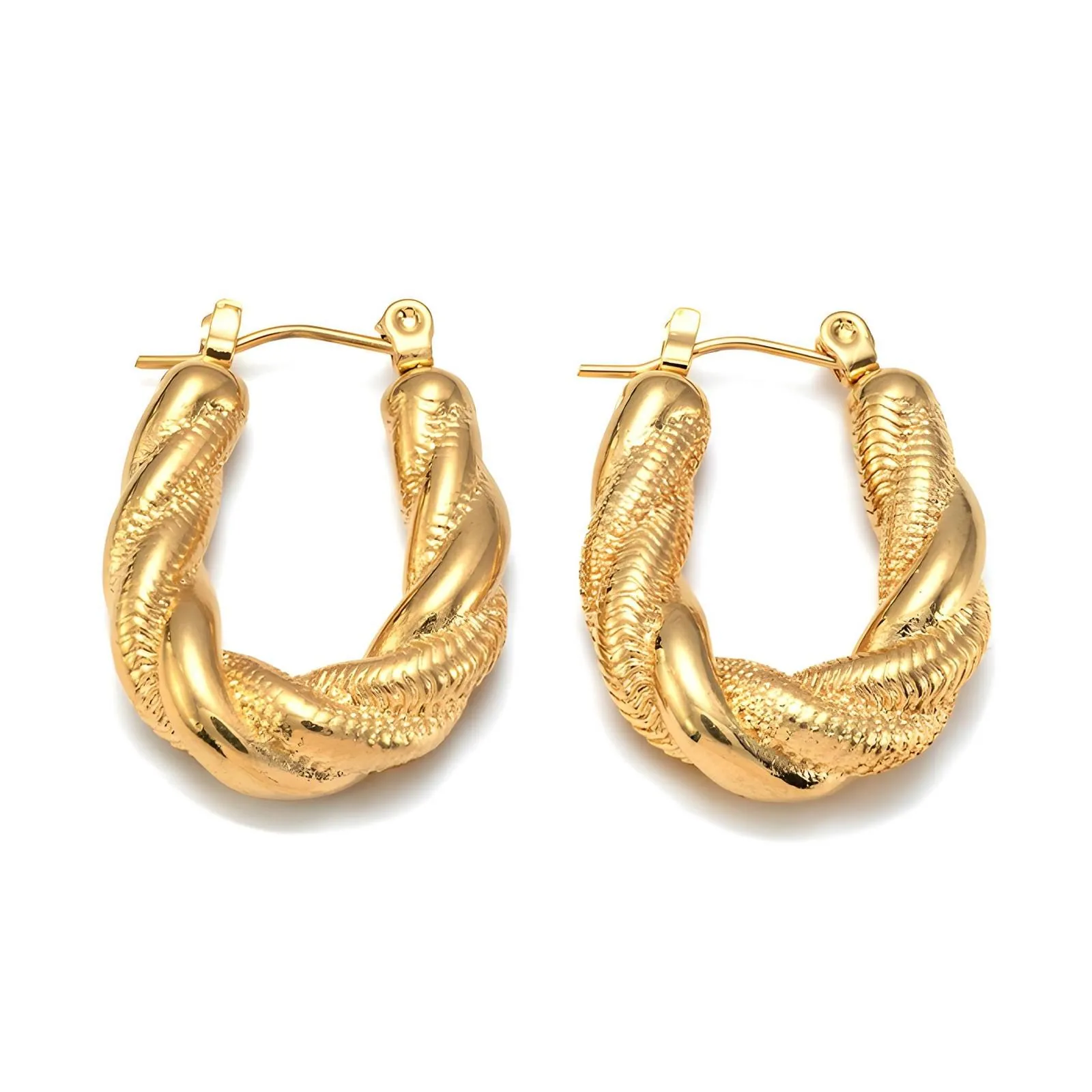
Does Gold-Plated Stainless Steel Tarnish?
What gold-plated stainless steel can do well, how a plated finish actually changes, and the simple care that helps it stay bright.
Read the guide ↗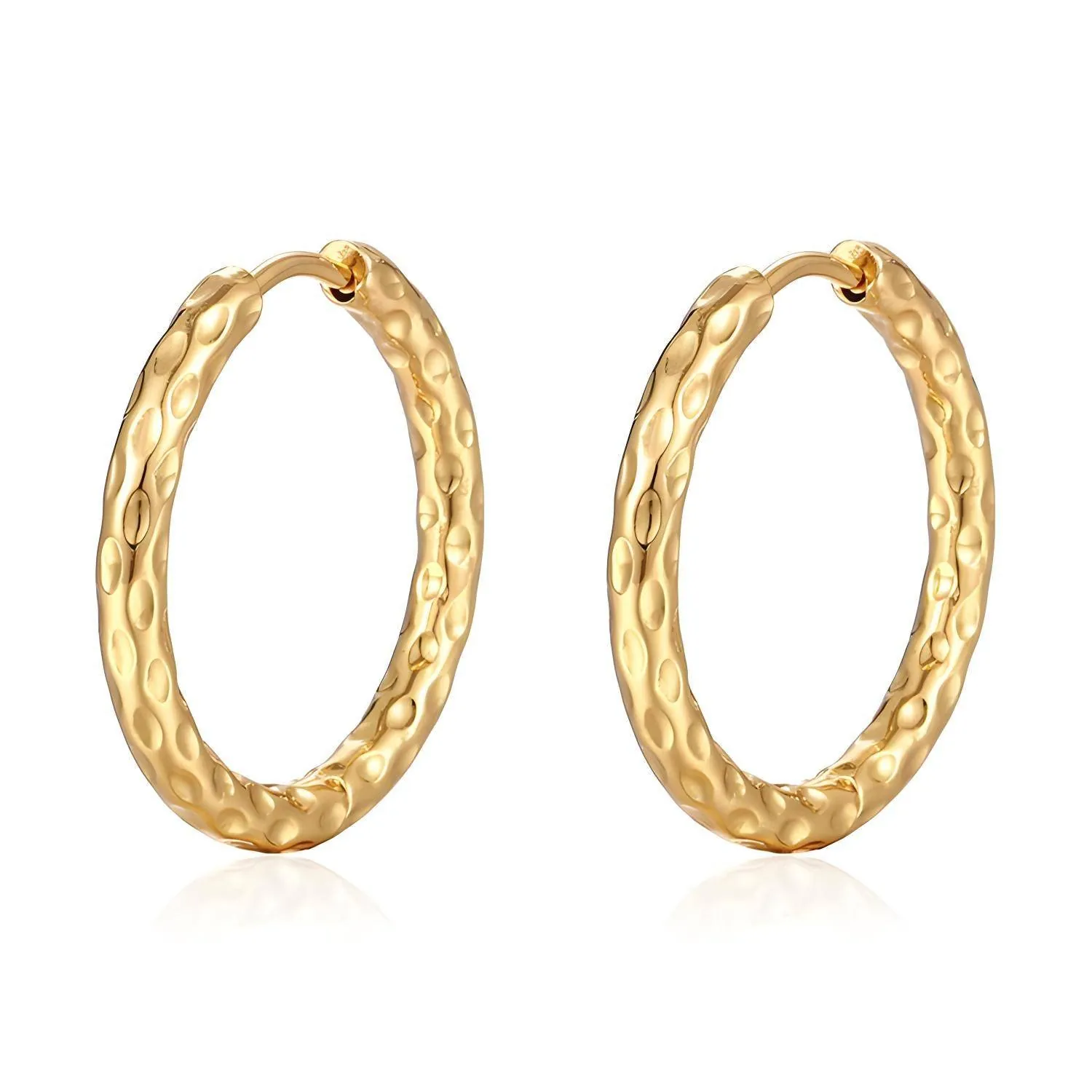
Gold Filled vs Gold Plated: Which Fits You?
A clear comparison of gold-filled and gold-plated jewelry, from construction and care to the questions worth asking before you buy.
Read the guide ↗What Is Gold-Plated Jewelry? A Simple Guide
What gold-plated means, what to look for in a listing, and how to choose and care for a piece with confidence.
Read the guide ↗