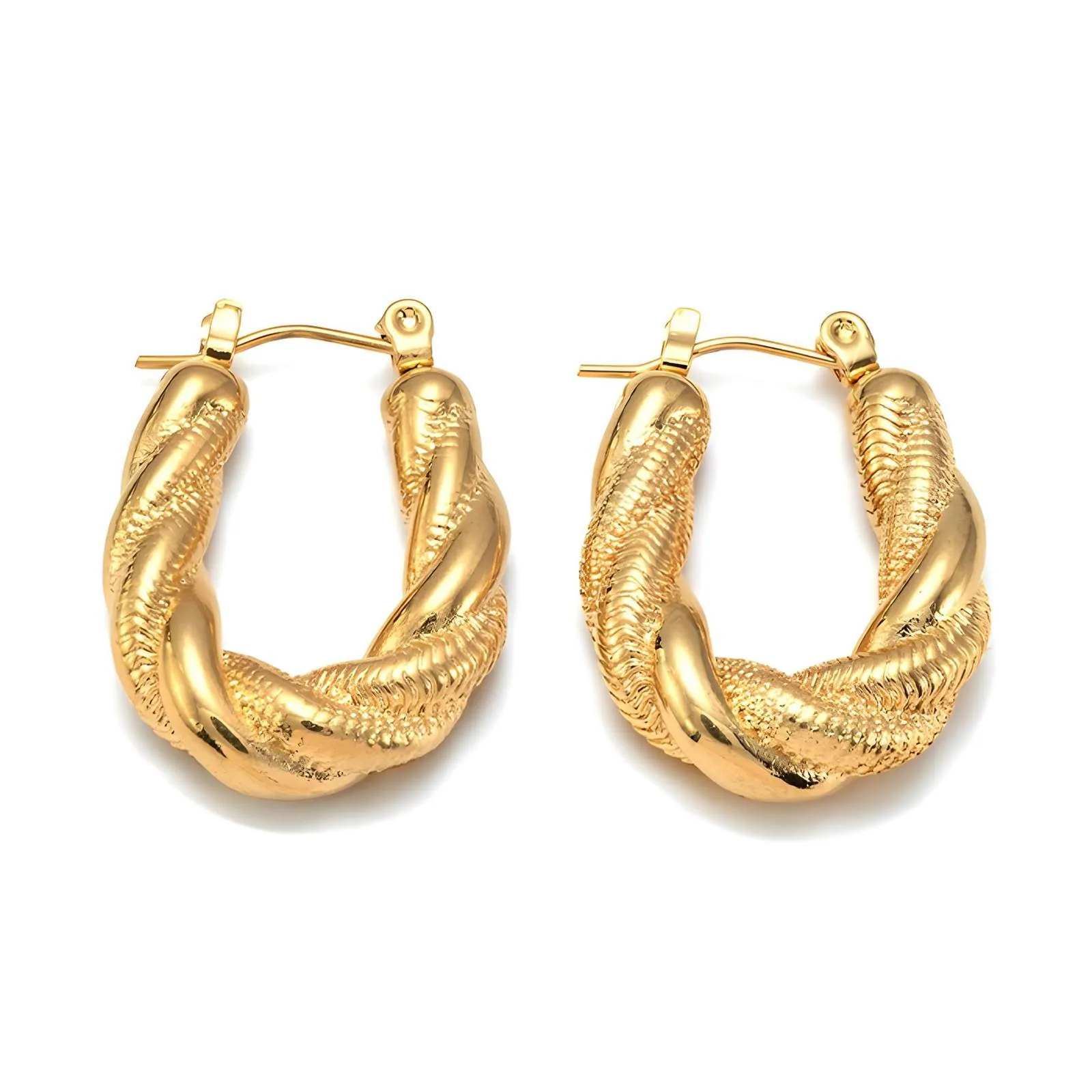
Gold-plated stainless steel is often chosen for a very practical reason: it gives you a warm gold look over a base metal that is generally more resistant to corrosion than many fashion-jewelry alternatives. That is a useful advantage, but it is not a promise that the gold color will stay untouched forever. A plated piece has two important parts, the stainless steel underneath and the gold-colored finish on top. They do not age in exactly the same way.
The short answer is that gold-plated stainless steel is less likely to develop the kind of dark tarnish or greenish corrosion people worry about with some base metals. Still, the surface can collect residue, lose some brightness, or wear thinner in places that get a lot of rubbing. Understanding that difference makes care much simpler. You can enjoy the piece, clean it gently, and know when a change is ordinary buildup versus a finish that has simply lived a real life.
The useful answer: the steel and the gold finish are different jobs
Stainless steel gives a piece structure. The gold-colored layer gives it the look you see. When a listing says 18K gold-plated stainless steel, the “18K” describes the gold alloy used for the surface treatment. It does not mean the entire piece is 18K solid gold, and it does not tell you the thickness of the finish by itself.
The Federal Trade Commission's jewelry buying guidance makes the key point: gold plating can be applied in more than one way, and it eventually wears depending on the thickness of the plating and how an item is worn. That is why two gold-toned pieces can look similar on day one yet change differently over time.
The base metal still matters. The FTC's Jewelry Guides identify austenitic stainless steels among metals that may be considered corrosion resistant under normal conditions of use. That does not turn every finished piece into a forever piece. It does mean the steel underneath can be a steadier base than a more reactive metal when the gold surface meets ordinary wear.
What people call tarnish can be three different things
Surface residue
Lotion, sunscreen, fragrance, makeup, skin oils, and soap can leave a film that makes gold-tone jewelry look cloudy. This is the best-case situation because it may improve with a gentle dry wipe. Look at the piece in natural light before assuming the finish is gone. If the color looks even but not as bright, residue is a likely suspect.
Wear in the gold-colored finish
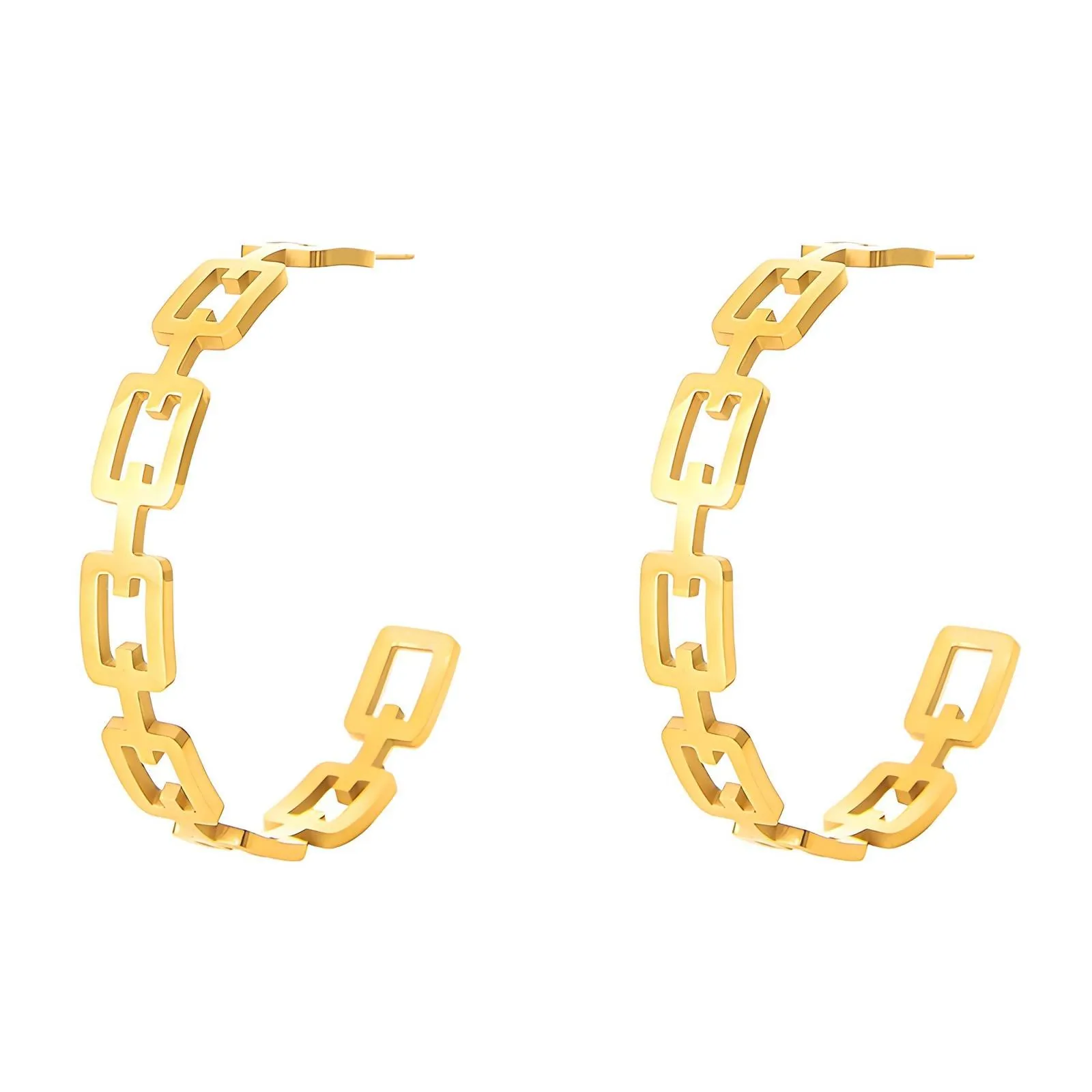
Repeated friction can slowly thin a plated surface. On earrings, check posts, backs, edges, and areas where the piece touches another earring or storage compartment. On a necklace, check the clasp, links nearest the closure, pendant bail, and any point where the chain rubs against a charm. When a finish wears, the silver-gray stainless steel beneath may become visible. That is color loss from surface wear, not a cleaning problem you can scrub away.
Actual corrosion concerns
Stainless steel is valued because it is generally more resistant to corrosion than many common fashion-jewelry base metals. But “resistant” is not the same as invincible. Harsh cleaning products, prolonged salt or chlorine exposure, and a damp storage habit are not doing any finish a favor. Avoid a blanket claim that any piece is waterproof unless the maker gives specific care instructions for that exact construction.
This distinction is worth keeping because it helps you choose the right response. Residue needs a light clean. Worn plating needs restraint. A damaged clasp, loose stone, lifting finish, or unexplained irritation needs professional advice, not another round of polishing.
Why earrings and necklaces often make easy everyday choices
Not every jewelry category takes the same beating. Rings and bracelets meet soap, counters, keyboards, steering wheels, sleeves, and handwashing all day. Earrings and necklaces can have a gentler routine, especially when they come off before a shower or workout. That lower-contact life can make gold-plated stainless steel a practical option for people who want a little gold warmth in regular rotation.
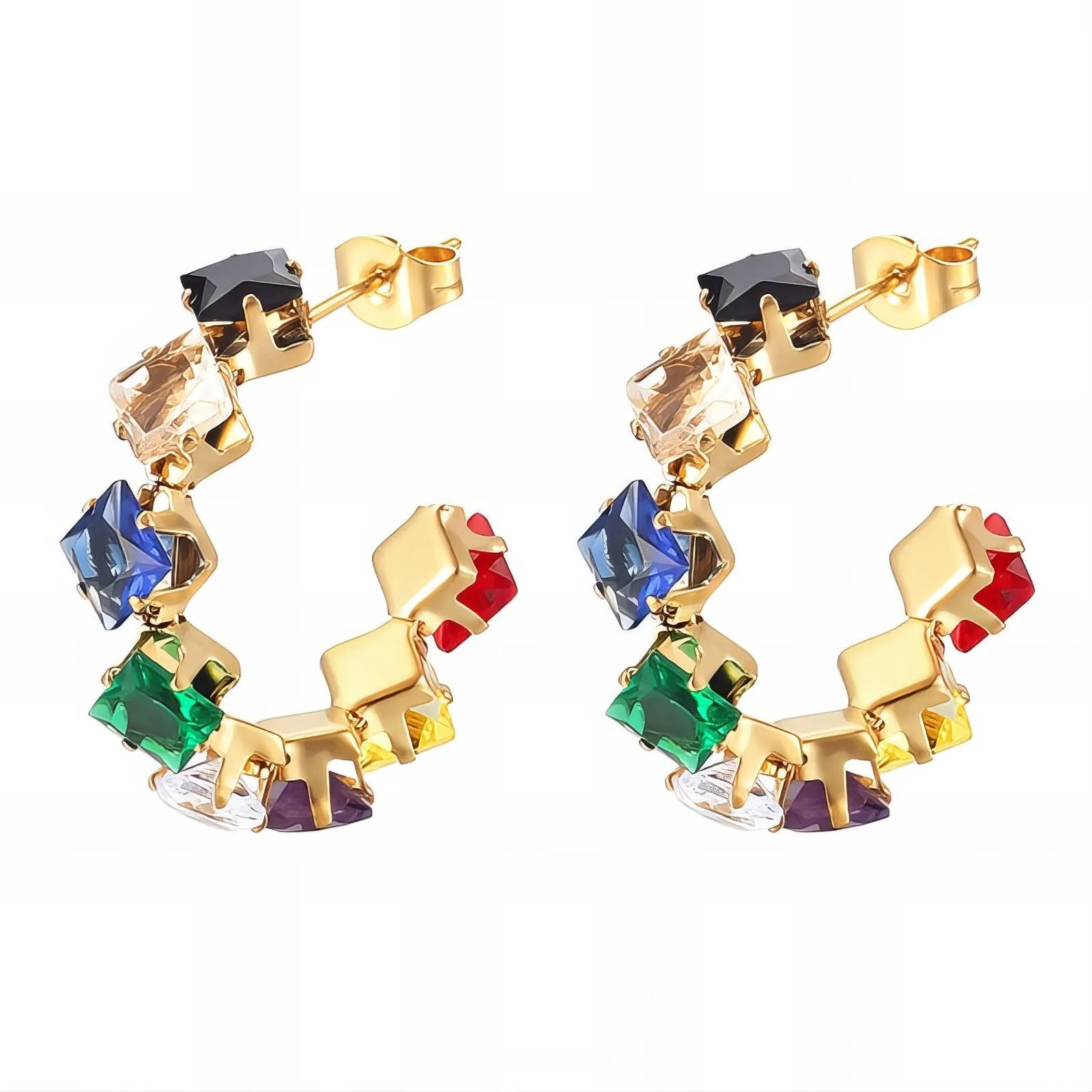
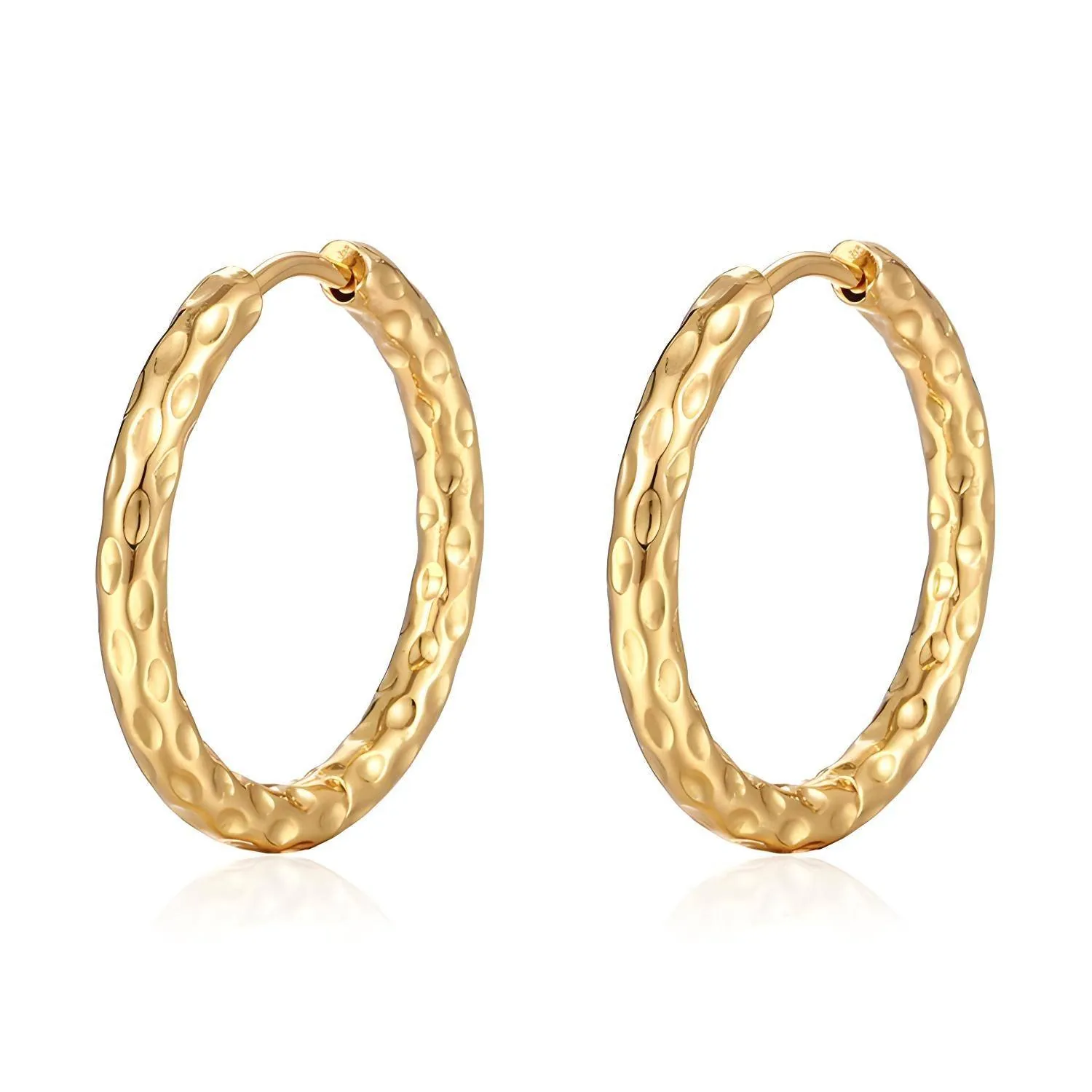
Clothworks Shop's current gold-plated stainless steel earrings include petite statement shapes, textured hoops, and easy everyday pairs. The point is not to promise that one material solves every care question. It is to pair a style with a routine that makes sense. A small pair of earrings that is wiped and stored dry has a much easier job than a plated ring worn through every handwash.
Four habits that protect the finish without making jewelry fussy
1. Put it on last
Let skincare, lotion, fragrance, sunscreen, and hair products settle before you add earrings or a necklace. This is one of the simplest ways to reduce a film on the surface. It also helps keep product from settling around posts, clasps, and textured details.
2. Take it off before water and chemicals
Remove plated pieces before showering, swimming, exercising, cleaning, or using strong household products. One forgotten shower is not a disaster. Repeated exposure is the concern, because warm water, steam, soap, chlorine, salt, and friction can add up over time. If a piece gets wet, blot it gently and let it dry fully before storage.
3. Wipe instead of polish
Use a clean, soft, dry cloth with light pressure after a few wears. Do not reach for toothpaste, baking soda, metal polish, rough paper towels, or a stiff brush. Those shortcuts can add abrasion to the surface you are trying to protect. For a closer care routine, our guide to cleaning gold-plated jewelry without damage explains the gentle version step by step.
4. Store it dry and separate
Keep earrings paired in a small pouch, lined box, or divided tray. Fasten necklaces before putting them away. A dry, separate spot prevents pieces from rubbing together and makes it easier to see when something needs attention. The guide to storing jewelry without tangles has simple options that do not require a complicated setup.
How to tell residue from finish wear
Start with a soft dry cloth and good natural light. Wipe the piece gently, then look again. Residue often changes or lifts with the cloth. Finish wear tends to stay in one place, usually at an edge, clasp, post, or other high-contact spot. It may look cooler, lighter, or less gold than the surrounding area.
If the color difference stays put after a gentle wipe, stop there. More polishing will not bring back a worn layer. A jeweler can tell you whether a sentimental piece is suitable for replating, but that depends on its construction, condition, and value. For an everyday fashion piece, the kindest option may be to keep the remaining finish clean and enjoy it with clear expectations.
There is no prize for forcing a piece to look brand new. Jewelry is meant to be worn. The goal is simply to avoid turning a small bit of ordinary wear into unnecessary damage through harsh cleaning or constant moisture.
Choose the piece, then choose the routine
Gold-plated stainless steel can be a thoughtful choice when you want the look of gold with a corrosion-resistant base metal underneath. Its strongest everyday advantage is not that it never changes. It is that, with sensible care, it can stay easy to wear and easy to understand. Keep product buildup off the surface, give it a dry pause between wears, and let a soft cloth do the routine work.
When you are ready to browse, explore the current earring collection, necklaces, or the focused gold-plated stainless steel earrings collection. If you are comparing materials before choosing, the guide to gold-filled versus gold-plated jewelry can help you ask better questions about the construction behind the shine.
Frequently asked questions
Does gold-plated stainless steel tarnish?
The stainless steel underneath is generally more resistant to corrosion than many fashion-jewelry base metals, but the gold-colored surface is still a finish. It can look dull from residue or wear thinner where it gets repeated friction. When the finish wears, a cooler steel tone may become visible instead of the piece developing the dark tarnish people often associate with silver or brass.
Can I wear gold-plated stainless steel every day?
You can enjoy it often, especially as earrings or a necklace that do not face constant rubbing. Give the finish an easier day by putting it on after lotion and fragrance, taking it off before showers, swimming, workouts, and household cleaning, then storing it dry and separate.
Why does my gold-plated stainless steel jewelry look dull?
A cloudy look is often surface buildup from skin oils, lotion, sunscreen, fragrance, or soap. Start with a clean, soft dry cloth and light pressure. If the color change stays in the same high-contact spot after a gentle wipe, it may be finish wear rather than dirt.
Can I clean gold-plated stainless steel with jewelry polish?
It is better to skip polish, toothpaste, baking soda, and rough cloths. They can add abrasion to the gold-colored surface. Use a soft dry cloth first, or a barely damp cloth only when needed, then dry the piece completely before putting it away.
Related posts
Gold Filled vs Gold Plated: Which Fits You?
A clear comparison of gold-filled and gold-plated jewelry, from construction and care to the questions worth asking before you buy.
Read the guide ↗What Is Gold-Plated Jewelry? A Simple Guide
What gold-plated means, what to look for in a listing, and how to choose and care for a piece with confidence.
Read the guide ↗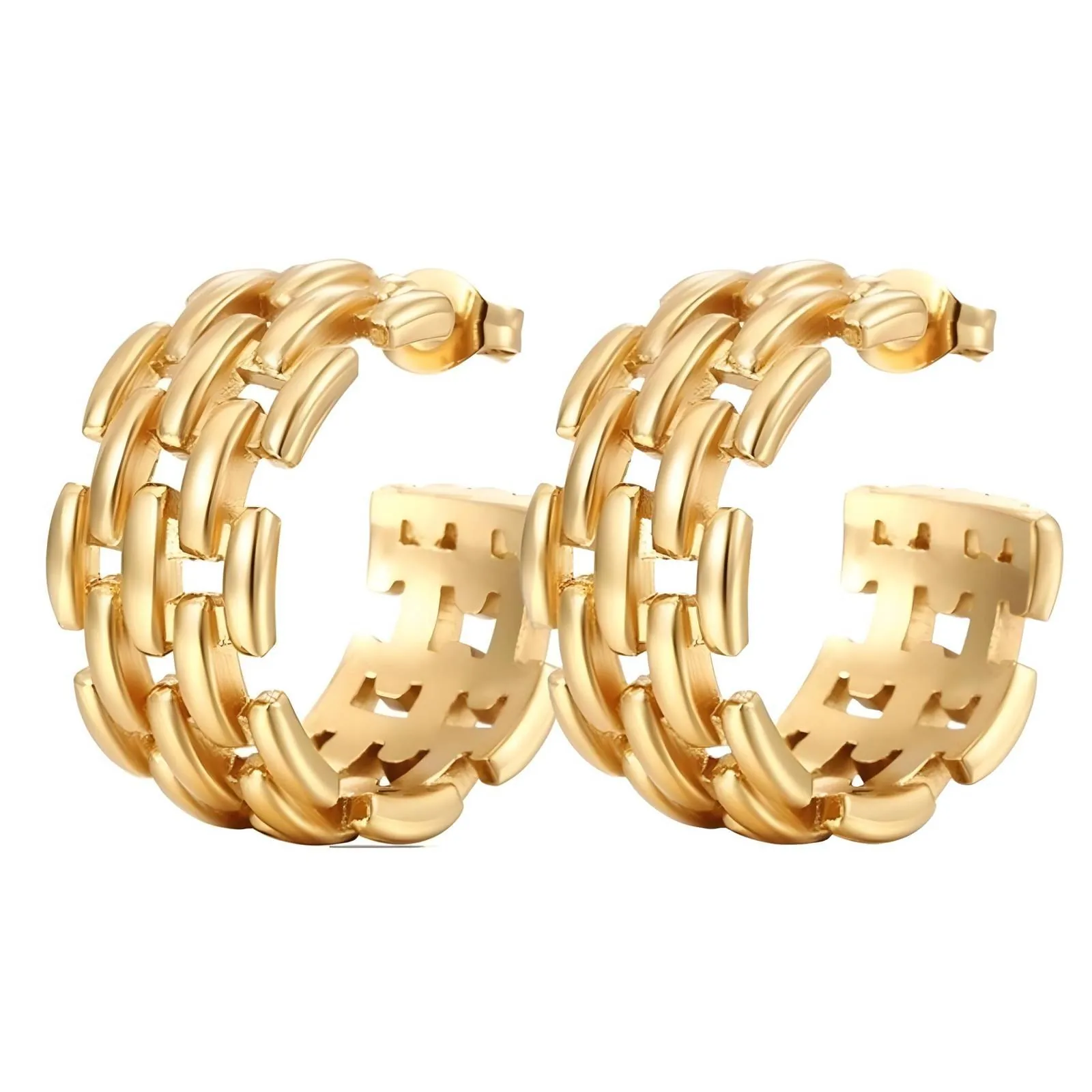
Can You Shower With Gold-Plated Jewelry?
What one accidental shower means, why daily water and product exposure matter, and the easy routine that helps a plated finish stay bright.
Read the guide ↗