
Gold-plated jewelry earns its place in an everyday rotation. It gives you the warmth of gold without asking you to keep a special-occasion-only piece in a box. The tradeoff is simple: the gold tone is a finish over another metal, so it looks best when you treat it gently. A little care does more than a dramatic cleaning session ever will.
This guide is for the earrings, necklaces, and small pieces you wear often. It is not about perfection. It is about getting residue off before it builds up, avoiding shortcuts that create unnecessary friction, and storing each piece so it is easy to reach for tomorrow.
Start by knowing what you are cleaning
Gold-plated jewelry is not the same thing as solid gold. The gold-colored layer sits on the outside, which is why harsh polishing can take away the look you are trying to preserve. The U.S. jewelry labeling rules distinguish among gold-plated, gold-filled, and other gold descriptions, so it is worth checking the item details when you still have them.
That label does not need to turn into homework. It simply tells you how cautious to be. If you know a piece is plated, make your default routine a dry, soft wipe. If it is mixed with stones, enamel, pearls, or a glued detail, follow the seller's instructions for that exact piece before adding water. Delicate materials do not all want the same treatment.
For a current pair or necklace from Clothworks, start with the product description. You can browse earrings and necklaces by style, then use the listed materials as your first clue about how gentle to be.
What to avoid before you start
The biggest mistake is reaching for the strongest cleaner in the room. Abrasive jewelry cloths, toothpaste, baking soda, rough brushes, and chemical dips may make sense for other materials, but they are too aggressive for a plated surface. The goal is to lift everyday oils and residue, not scrub the piece until it shines at any cost.
Skip long soaks, too. Water can find its way into clasps, crevices, and settings, and soap can leave a film behind. A quick, controlled wipe is easier to manage than dropping a necklace into a cup and hoping for the best. Keep perfume, hairspray, sunscreen, body lotion, hand sanitizer, and household cleaners away from jewelry whenever you can. Put your jewelry on after your routine, not in the middle of it.
That is the right mindset for every everyday piece: use the least aggressive method that gets the job done. When you are uncertain, gentle wins. It is easier to repeat a careful routine than to undo the wear caused by a fast fix.

How to clean gold-plated jewelry: the gentle routine
Most pieces do not need a complicated kit. Gather a clean microfiber cloth, a dry soft towel, and good light. If the item has obvious makeup or lotion buildup, keep a second cloth nearby that is only barely damp with plain water. Wring it out well first. You want a touch of moisture, not a wet cloth.
1. Look over the piece before touching it
Check the clasp, earring backs, jump rings, stones, and decorative details. If something is loose, bent, cracked, or peeling, do not clean around it aggressively. Set it aside and have it assessed. Cleaning cannot repair a stressed connection, and pushing a cloth into a loose setting can make a small problem worse.
2. Wipe away surface oils with a dry cloth
Lay the piece on a clean towel and wipe in short, light strokes. Do not press hard. For chains, hold one end steady and move along a few inches at a time rather than pulling the whole chain through the cloth. For earrings, wipe the front, back, post, and closure. This simple pass removes the residue that makes gold tone look dull fastest.
3. Use a barely damp cloth only when needed
If a dry wipe is not enough, touch the cloth with a little plain water, then wring it out until it feels almost dry. Gently wipe the affected area and keep moisture away from openings and glued details. Avoid running the piece under a faucet. That gives you no control over where water goes and makes drying harder than it needs to be.
4. Dry it completely before putting it away
Use the dry side of the cloth or a second soft towel to remove every trace of moisture. Let the piece rest in open air for a few minutes if it has a clasp or detailed texture. Jewelry should feel fully dry before it goes back into a pouch, compartment, or drawer. Storing it damp is an easy way to invite dullness and unnecessary cleanup later.
5. Stop before you overdo it
A plated finish does not need endless buffing. Once the surface is clean and dry, you are done. The best routine is the one you can repeat gently. If a piece still looks uneven after a careful wipe, it may be showing normal wear rather than dirt. More pressure will not bring worn plating back.
If you clean more than one piece at a time, give each one its own spot on the towel. That keeps chains from catching on earring backs and makes it easier to notice a loose closure before it disappears into a pile. Work slowly enough to see what you are handling. A five-minute reset for a small rotation is plenty.
Small wearing habits make the biggest difference
Cleaning helps, but prevention is easier. Put on earrings and necklaces last, after skincare, hair products, fragrance, and makeup have settled. Take them off before showering, swimming, working out, sleeping, or cleaning the house. None of that makes a piece fragile. It simply cuts down on the moisture, friction, and product buildup that jewelry collects when it comes along for every task.
A quick wipe after a warm day or a night out is especially useful. You do not have to turn it into a ceremony. Keep a soft cloth near the place you usually take off your jewelry. One calm thirty-second habit can save you from having to figure out a bigger cleanup later.
It also helps to rotate pieces instead of wearing the same pair through every workout, shower, and sleep. That is not a rule about saving jewelry for later. It is a practical way to give a favorite piece a dry, clean pause between wears while you enjoy another option from your collection.

Store each piece so it is protected, not forgotten
Separate storage matters because jewelry scratches when pieces rub together. A soft pouch, divided jewelry box, or small compartment tray works well. Fasten necklaces before you store them so they are less likely to tangle. Place earrings as pairs when possible, and keep a missing back with its mate rather than loose at the bottom of a drawer.
A jewelry box does not have to be elaborate. It just needs to keep pieces dry, reasonably separated, and away from the bathroom counter. Bathrooms are convenient, but steam and product residue make them a rough home for the jewelry you want to keep bright.
Travel is the same story on a smaller scale. Put each pair of earrings in a small pouch or separate pocket, and close necklaces before they go into a bag. A little separation prevents the snags, scratches, and mysterious missing backs that tend to show up after a weekend away.
If you are building a small gift or jewelry moment, start with something that fits the recipient's routine. The gift edit and the full Clothworks Shop make it easy to find pieces that feel personal without overthinking it. A thoughtful item lasts longer when the care routine feels just as easy.

When a cloth is not enough
There are a few moments when home care should stop. If you see plating lifting, a dark area that does not wipe away, a loose stone, a bent post, or a broken clasp, resist the urge to fix it with a stronger cleaner. A professional jeweler can tell you whether the piece needs a repair, a replate, or simply a more specific cleaning method.
It is also smart to ask before cleaning a sentimental item. Vintage jewelry, porous stones, pearls, enamel, and pieces with glued components can need completely different care. The safest answer is sometimes to leave it alone until you know what it is made of.
When you are deciding whether something is dirt or wear, look at the piece in natural light from more than one angle. Lotion film often looks cloudy and changes as you wipe it. Wear usually stays in the same high-contact places, like the inside edge of a ring, a clasp, or the spot where a pendant rests. The difference matters because a cleaner can remove residue, but it cannot replace a finish.
Keep the routine simple
Good gold-plated jewelry care comes down to restraint: wipe gently, keep it dry, avoid harsh products, and give each piece its own little space. That is enough for most everyday earrings and necklaces. It lets you wear your favorites often without treating them like they belong behind glass.
Clothworks Shop is built around small, easy-to-love finds that bring a little extra joy to the day. When you are ready for another piece to reach for, browse the current earrings, necklaces, and gift-ready finds. For help with a current item, the contact page is the best place to ask.
Frequently asked questions
Can I clean gold-plated jewelry with soap and water?
A barely damp soft cloth is the gentlest first choice. If a piece needs more attention, check the seller's care guidance first, avoid soaking it, and dry it right away. Plated finishes are best treated with a light hand.
Can I wear gold-plated jewelry in the shower?
It is better to take it off first. Shower products, warm water, and repeated moisture add residue and wear over time. The same rule applies to pools, hot tubs, and the beach.
How often should I clean gold-plated jewelry?
Wipe pieces after a few wears, especially if they have touched lotion, perfume, or perspiration. A quick dry wipe is usually enough, so there is no reason to give every piece a deep clean after each outing.
What should I do if the gold color is already wearing away?
Stop using polishing products and ask a reputable jeweler whether the piece can be replated. If it cannot, gentle cleaning can still keep the remaining finish tidy, but it will not restore metal that has already worn away.
Related posts
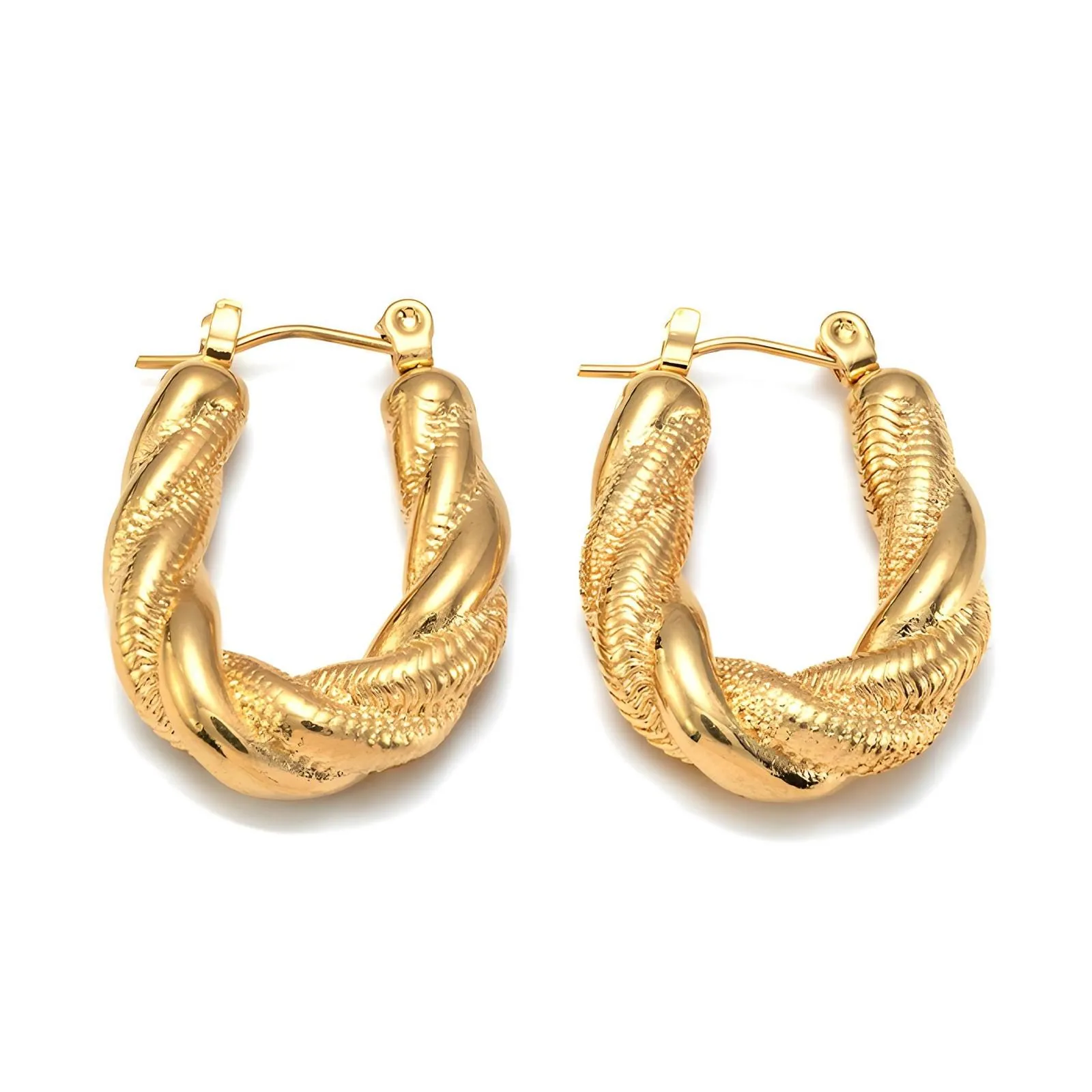
Does Gold-Plated Stainless Steel Tarnish?
What gold-plated stainless steel can do well, how a plated finish actually changes, and the simple care that helps it stay bright.
Read the guide ↗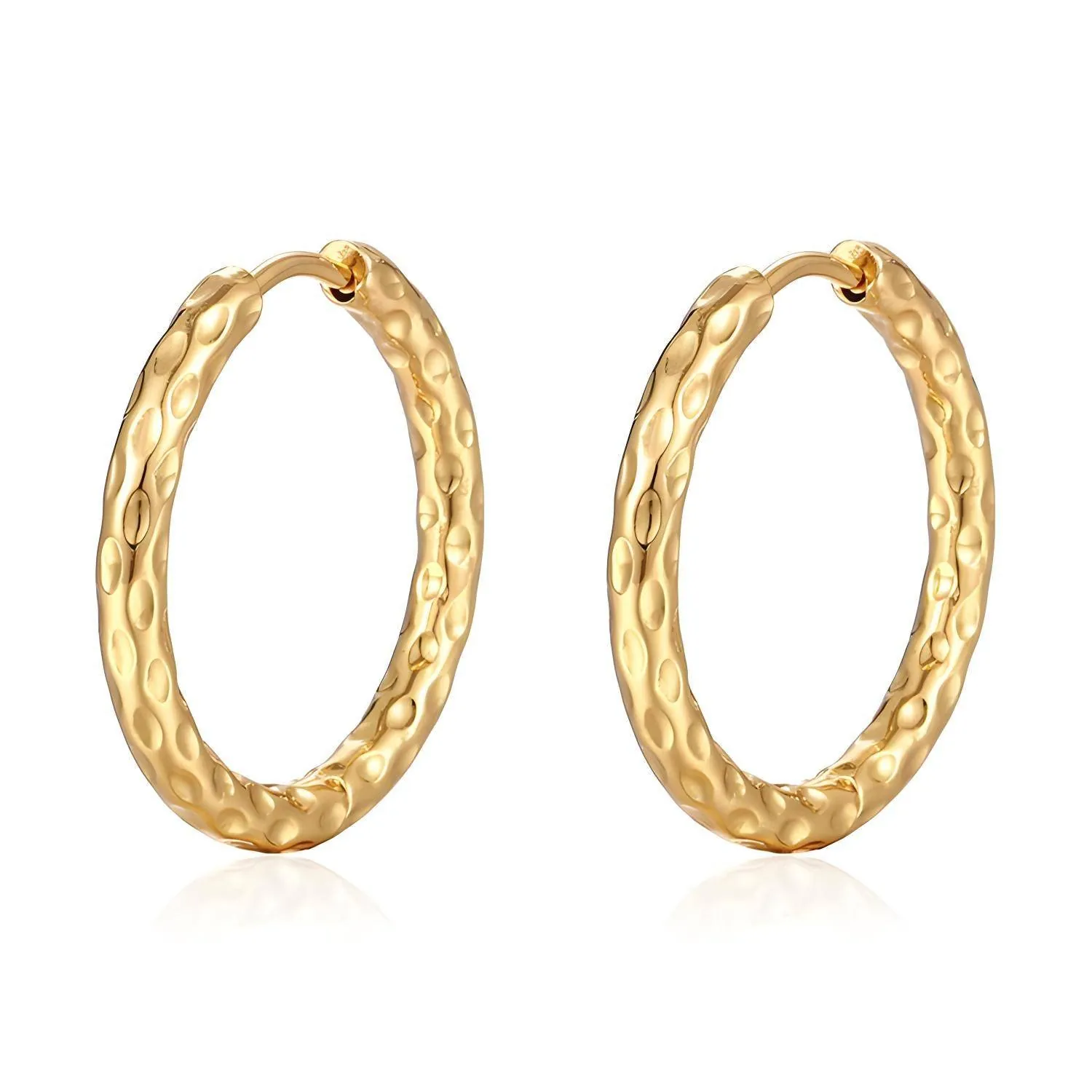
Gold Filled vs Gold Plated: Which Fits You?
A clear comparison of gold-filled and gold-plated jewelry, from construction and care to the questions worth asking before you buy.
Read the guide ↗What Is Gold-Plated Jewelry? A Simple Guide
What gold-plated means, what to look for in a listing, and how to choose and care for a piece with confidence.
Read the guide ↗