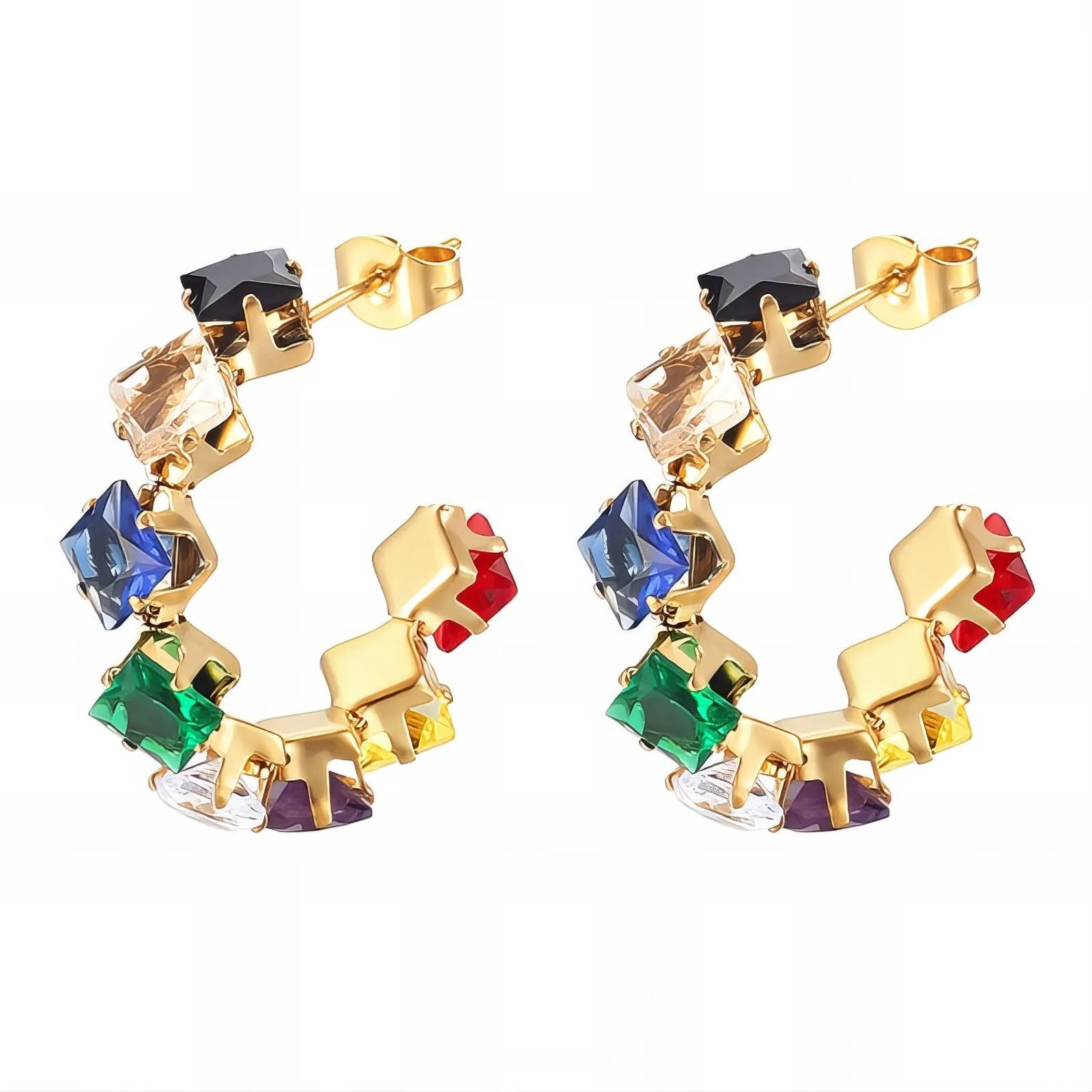
Earrings sit close to skin, hair products, makeup, fragrance, and whatever your day brings. That is why a favorite pair can look a little cloudy around the posts or backs long before the front stops looking polished. The good news is that most everyday buildup does not call for a dramatic cleaning trick. It calls for a clean cloth, a little patience, and knowing what the pair is made from.
The safest rule is simple: identify the material before you add water, soap, alcohol, a brush, or polish. Solid gold, plain stainless steel, sterling silver, plated metal, pearls, enamel, and stone-set earrings do not all want the same treatment. When the construction is unclear, a dry soft cloth is the sensible place to start. It removes surface oils without testing an unknown finish.
Start by checking what your earrings are made of
Look at the listing, receipt, care card, or hallmark if you still have it. The material wording tells you more than color alone ever can. “Gold-plated stainless steel” means there is a gold-colored surface over steel. “Sterling silver,” “solid gold,” “pearl,” and “enamel” each call for their own care. The Federal Trade Commission’s jewelry guidance explains why construction terms matter: gold plating is a surface layer and can wear depending on how it is made and worn.
Also inspect the design before you begin. A plain metal stud is a very different project from a pair with glued stones, a delicate hinge, a pearl, or a textured surface. Check that stones are secure, that a hoop closes normally, and that the back is not bent. A loose setting, wobbly post, or lifting finish is a reason to stop. Cleaning cannot tighten hardware or rebuild a surface layer.
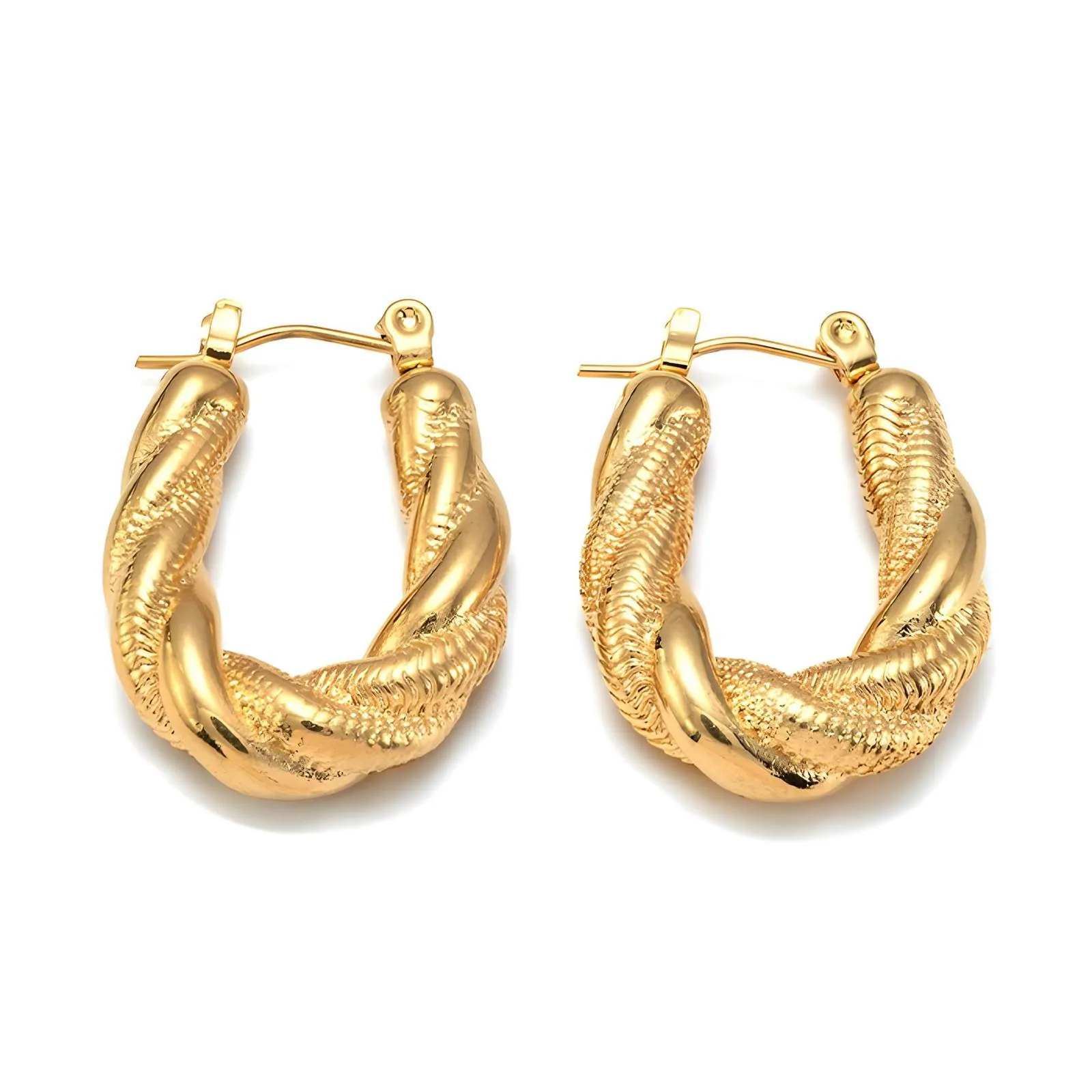
The gentle routine that works for most everyday pairs
1. Set up a safe little workspace
Put down a clean towel or soft cloth before you take anything apart. It cushions a pair if it falls and makes a tiny back easier to spot. Wash and dry your hands, then remove the earrings so you are cleaning the jewelry rather than rubbing product or moisture around your ears.
2. Begin with a dry soft cloth
Wipe the front, back, post, hook, and closure with light pressure. This is enough for many pairs after ordinary wear. Pay attention to the spots that sit against the ear or collect hair and product residue. A dry wipe is especially useful for gold-plated styles, pearls, enamel, and earrings whose exact construction is unknown.
3. Use moisture only when the material allows it
For a plain, sturdy metal pair with no delicate details, a barely damp soft cloth and a tiny amount of mild soap can help with stubborn surface grime. Keep the contact brief, rinse carefully if needed, and dry the piece completely. The Gemological Institute of America notes that jewelry care depends on the individual materials and that professional cleaning is the better call for pieces whose construction or stones need specialist handling.
4. Dry before you store
Do not return earrings to a box or pouch while the post, back, hinge, or crevice is still damp. Blot gently, then leave detailed pieces open on the towel until dry. Moisture trapped near a closure does not make any pair easier to care for, and it can make product residue harder to notice next time.
What changes for gold-plated earrings
Gold-plated earrings deserve the lightest touch. Their gold color is a finish, so harsh brushes, polishing compounds, baking soda, toothpaste, chemical dips, and long soaks can create more wear while trying to remove a little dullness. Use a clean dry cloth first. If a spot truly needs more attention, use a barely damp cloth only when the specific listing supports it, then dry the pair right away.
That gentle approach is not fussy. It is just realistic. A gold-plated pair may pick up lotion, sunscreen, fragrance, or skin oils, and a soft wipe can remove that film. If a color change remains in the same place after a careful wipe, especially along an edge, post, or back, it may be finish wear instead of dirt. More scrubbing will not replace a worn layer.
Clothworks Shop’s gold-plated stainless steel earring collection includes the material details available for each current pair. The stainless steel beneath a plated finish can be a practical base, but the gold-colored surface is still the part to protect. Our guide to cleaning gold-plated jewelry has a focused routine for that finish.
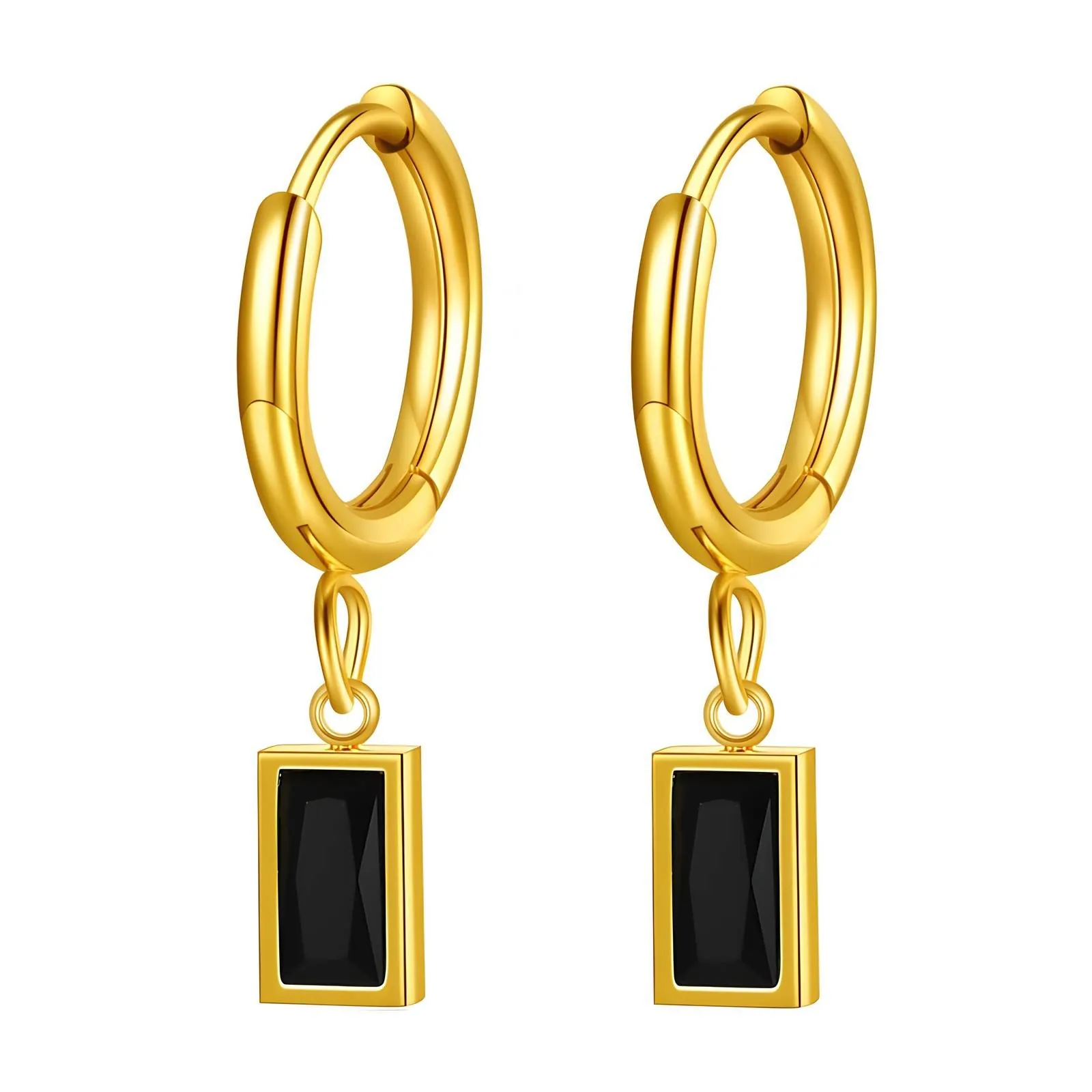
How to clean posts, hooks, and earring backs
These small parts need attention because they sit against the ear and tend to collect the most residue. Work over your towel and handle one pair at a time. Wipe the post from base to tip with a clean soft cloth. For a back, open it carefully and wipe the inside and outside. A soft, dry brush can help lift lint from threads or a clasp, but use no force around delicate springs, hinges, or small stones.
Keep the task separate from piercing aftercare. A healed piercing and a new, irritated, or infected piercing are not the same situation. This article is about jewelry care, not medical care. If a piercing is new, painful, swollen, or producing discharge, follow guidance from a qualified piercing professional or healthcare professional rather than removing jewelry or experimenting with cleaners at home.
Once the metal parts are clean and dry, check that the backing still holds and that a hoop’s post meets its closure without pressure. If a post is bent, a hinge feels loose, or a back has stopped gripping, set the pair aside. A reputable jeweler can tell you whether it is repairable. Forcing a small mechanism is how a quick clean becomes a lost earring.
Match the cleaning method to the material
Plain stainless steel
Plain stainless steel with no plated surface, stones, or enamel can usually tolerate a little more than a plated piece. Start with a dry cloth. If it still needs help, use mild soapy water sparingly and dry every detail afterward. The key word is plain. If the steel has gold plating, treat the surface as plated jewelry instead.
Gold-plated or gold-tone metal
Use a soft dry cloth and low pressure. Avoid soaking, strong solutions, rough paper towels, and polishing products. The goal is to lift residue, not to abrade a finish. If you do not know whether a gold-toned pair is plated, treat it as delicate until you can confirm the material.
Pearls, enamel, and glued details
Keep water exposure minimal. Wipe gently with a clean, soft cloth and do not scrub around glued areas. Pearls and soft gems can scratch, and water or cleaning solution can create problems where a stone or decorative element is secured. When a sentimental pair looks dirty, professional advice is kinder than a stronger home remedy.
Silver and stone-set earrings
Do not assume an online cleaning shortcut is right for every silver or stone-set pair. Different stones and settings need different handling. The GIA’s jewelry-care advice recommends matching care to the material and using professional cleaning when the piece needs expertise. That is especially sensible when a stone is loose, the setting looks worn, or you are unsure what it is.
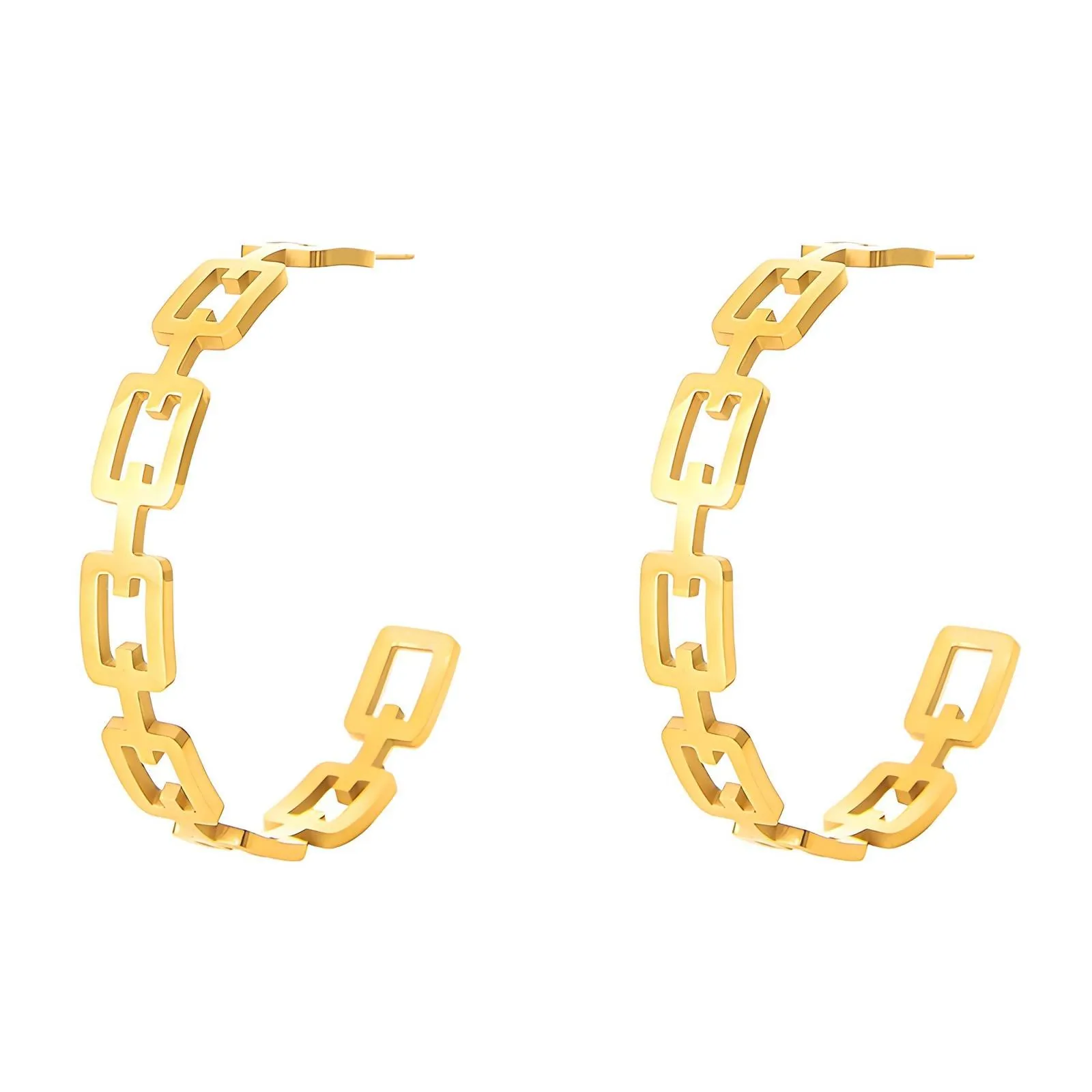
Common shortcuts to skip
Toothpaste, baking soda paste, rough paper towels, and metal-polishing compounds are popular because they feel decisive. They are also hard to control on a small earring, especially around a finish, a stone, or a closure. A quick shine is not worth fine scratches or an abraded plated surface. Keep the routine gentle enough that you would be comfortable repeating it on the pair you wear most.
Ultrasonic cleaners are another situation where “more power” is not automatically better. They may be suitable for some pieces, but the vibration and liquid can be wrong for a loose stone, a pearl, enamel, glued details, or a plated finish. If a pair has sentimental value, a professional assessment costs less than discovering the limitation after a detail has loosened.
Finally, do not judge an earring’s condition only by its front. A pair can look bright from a distance while the post, back, or closure is bent or holding residue. A calm two-minute check when you wipe it down is usually more useful than an occasional heavy-duty clean. It gives you a chance to notice what is actually changing and act before you lose a favorite.
Keep earrings cleaner between deeper cleans
The easiest cleaning session is the one you barely need. Put earrings on after skincare, makeup, fragrance, and hair products have settled. Take them off before showering, swimming, working out, sleeping, or using household cleaners. Those small habits keep oils, moisture, product film, and accidental bends from building into a bigger job.
Give every pair its own dry resting place. A divided tray, soft pouch, or original box helps protect posts, backs, and finishes from rubbing against other pieces. Store the pair together so you are not digging through a jewelry box for one missing back later. The practical setups in our guide to storing jewelry without tangles work just as well for everyday earrings.
If you wear the same pair most days, make the soft-cloth check part of taking them off. It takes less time than searching for a lost backing or trying to remember whether a cloudy patch was there last week. Regular, gentle attention helps you spot a small issue while it is still a simple one.
When not to clean at home
Pause and ask a jeweler for help when a stone moves, a pearl or enamel detail looks damaged, a closure no longer lines up, a post is bent, or the finish appears to lift. A professional can assess whether the problem is residue, a repair, or ordinary wear. This is also the better route for vintage pieces, heirlooms, and earrings with materials you cannot identify confidently.
Home care is meant to preserve a pair, not prove how much it can take. A soft cloth, dry storage, and enough restraint to stop when something seems off will serve most earrings better than any aggressive cleaning trick. The result is a collection that stays easy to wear, and a little more confidence every time you reach for your favorites.
Find a pair worth keeping in rotation
Once your current favorites are clean and dry, browse Clothworks Shop’s earring collection for pieces to wear on repeat, or explore gold-plated hoop earrings when you want a familiar shape with a warm finish. For another close-up care routine, read how to care for hoop earrings. A simple routine makes it easier to enjoy the pairs you already own and choose the next one with clear expectations.
Frequently asked questions
How often should I clean earrings?
Give everyday pairs a light wipe after a few wears, especially when they have met hair products, makeup, fragrance, or perspiration. A more involved clean is only useful when you can identify the material and the pair has visible buildup.
Can I soak earrings in soapy water?
Some plain, sturdy metal earrings can handle a brief gentle wash, but it is not a universal rule. Do not soak gold-plated earrings, pearls, glued stones, enamel, or an earring with an unknown finish. Start with a dry soft cloth and follow the exact material guidance whenever you have it.
What is the safest way to clean earring backs?
Remove the earrings, then use a clean soft cloth or a very soft dry brush to lift visible buildup from the back and post. Handle tiny parts over a towel or tray so they do not disappear, and dry everything completely before putting the pair away.
Can I use rubbing alcohol on earrings?
Avoid treating alcohol as a universal jewelry cleaner. It can be unsuitable for plated finishes, pearls, porous stones, glued details, and other delicate materials. For a new or irritated piercing, seek guidance from a qualified piercing professional or healthcare professional instead of using this jewelry-care routine.
Why do my earrings look dull after I clean them?
Dullness can come from a film of skin oils or product residue, but it can also be permanent finish wear. If a light wipe does not change a color difference in the same high-contact spot, do not scrub harder. A jeweler can advise on a sentimental or higher-value pair.
Related posts

How to Care for Hoop Earrings
A simple hoop earring care routine that protects the finish, closure, and shape without making everyday jewelry feel precious.
Read the guide ↗Does Gold-Plated Stainless Steel Tarnish?
Does gold-plated stainless steel tarnish? Learn what can change over time, how to spot finish wear, and the gentle care that helps it stay bright.
Read the guide ↗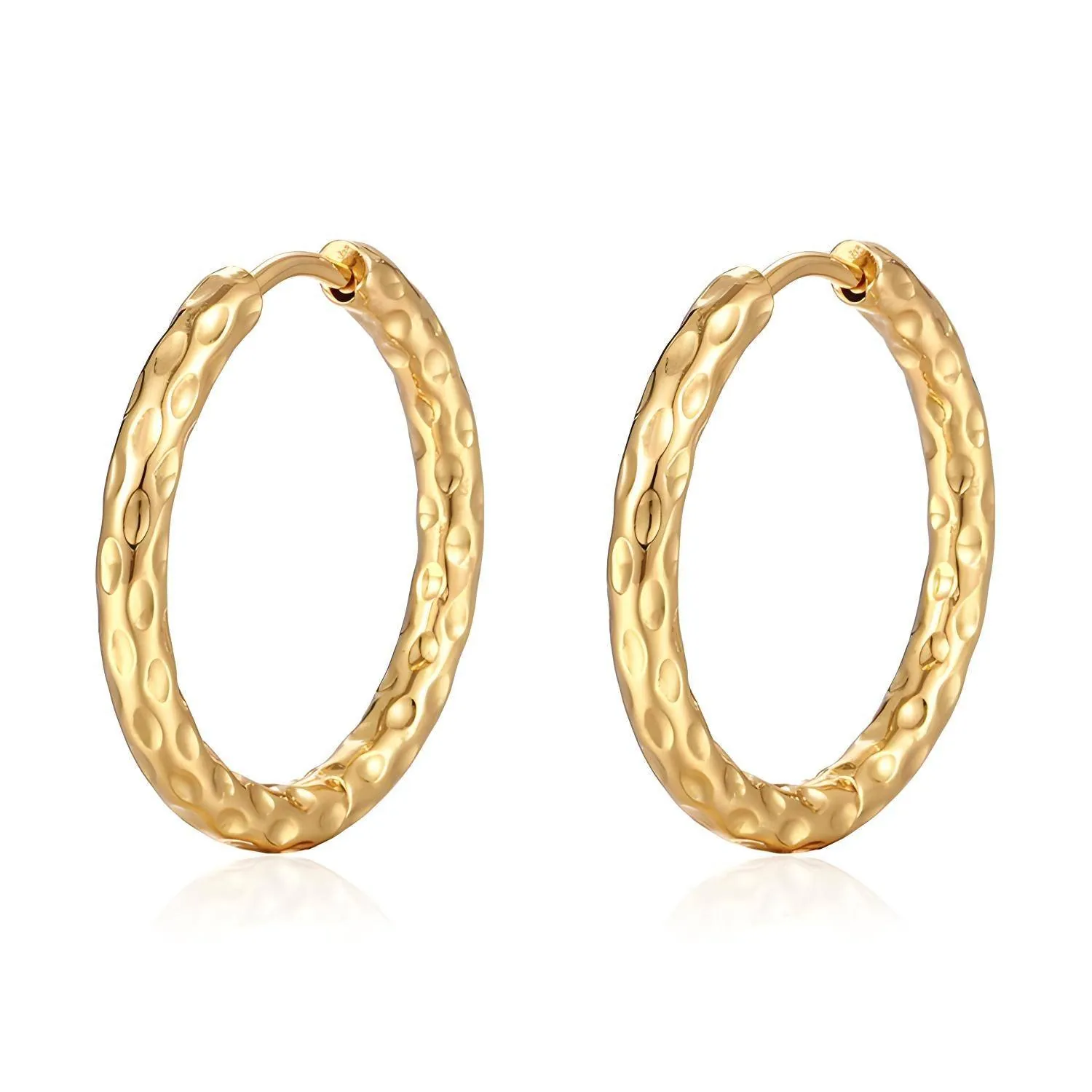
Gold Filled vs Gold Plated: Which Fits You?
A clear comparison of gold-filled and gold-plated jewelry, from construction and care to the questions worth asking before you buy.
Read the guide ↗