
Jewelry is easier to wear when you can see it, reach it, and put it on without spending five minutes untangling a chain. A good storage routine is not about buying a giant organizer or turning your dresser into a display case. It is about giving each piece a little breathing room so it stays protected, easy to find, and ready for the next time you want it.
Start with the pieces you wear most. A small pair of earrings, a favorite necklace, or a go-to gift deserves a home that makes the morning feel simpler. The rest can follow. With a few practical choices, you can keep a small collection neat without hiding it away or making care feel like another chore.
The simple rule: keep pieces clean, dry, and separate
The most useful storage rule is also the least fussy: do not toss jewelry together in a drawer. The Gemological Institute of America notes that loose pieces can scratch or damage one another, and recommends boxes or pouches that keep them apart. Their jewelry organizing guidance also points to padded slots and necklace posts as helpful ways to protect a collection.
That does not mean every item needs a custom compartment. A soft pouch, a small divided tray, a jewelry box, or even separate sections in a drawer can work. What matters is that a chain is not wrapped around an earring back, a ring is not rubbing against a pendant, and a favorite pair still feels easy to grab on a busy morning.
Before you put something away, give it a quick look. If it has picked up lotion, fragrance, or a day's worth of wear, a gentle dry wipe is a good reset. Our guide to cleaning gold-plated jewelry walks through that simple routine. Once a piece is clean and fully dry, storage does the quiet work of keeping it ready for next time.
Choose a setup that matches how you actually wear jewelry
The best organizer is the one you will use. If you wear the same few pieces most days, reserve the easiest-to-reach section for those. GIA's jewelry organizing tips make the same practical point: keep everyday items within reach, then let the rest of the collection take the less convenient spots.
A compact tray on a dresser can be enough for a small rotation. A fabric-lined box is helpful when you have earrings, rings, and necklaces that need different spaces. If you keep jewelry in a drawer, use a shallow insert or a few small containers so the drawer does not become one large catchall. You do not need a perfect system. You need a system that makes it easier to put a piece back than to leave it on the counter.
For a growing collection, sort by how you use things rather than by trying to make every category look identical. Everyday studs can share a tray. Special earrings can have a pouch. Necklaces need their own approach because a single loose chain can turn into a knot before you have left the room.
Three storage setups that work
1. The everyday tray
This is the right choice if you reach for the same handful of pieces all week. Use a shallow tray with soft sections, place earrings in pairs, and leave enough space that a necklace does not overlap anything else. Keep it on a dresser or inside the top drawer, away from a sunny window and the bathroom. A small tray is not meant to hold everything. It is meant to make the pieces you wear most feel effortless.
2. The divided jewelry box
A fabric-lined jewelry box gives a larger collection a little more order. Use long sections for necklaces, small squares for studs and rings, and the padded rows for pieces that benefit from staying upright. If the box has a lid, it also helps keep dust off your collection between wears. The goal is not to fill every slot. Leave a little room so each item can come out without pulling its neighbor along.
3. The drawer insert and pouch combination
If you prefer a cleaner surface, a shallow drawer insert is a smart answer. Add soft pouches for unusual shapes, sentimental items, or pieces that did not come with a natural compartment. This setup is also easy to grow: add another insert or a few more pouches when the collection changes, instead of replacing the whole system. It works particularly well for jewelry that is not worn every day but should still be easy to find.
How to store necklaces without tangling
Necklaces tangle because loose chains travel. Clasps catch, pendants slide through links, and several chains can turn into one small puzzle. The easiest prevention is to clasp each necklace before it goes away, then give it a separate lane. A jewelry box with necklace hooks works well, but it is not the only answer.
For a short everyday chain, lay it flat in a long compartment or a soft pouch. For a pendant necklace, close the clasp and place the pendant near the center so the chain is not pulled tight around it. For longer chains, a hanging organizer or a necklace roll gives each piece enough space to fall naturally. Jewelers of America also recommends fabric-lined cases and boxes with compartments or dividers rather than letting pieces mingle in one container.
If your jewelry travels from room to room, pouches are especially useful. Put one necklace in each pouch, close the clasp, and slide the pouch into a drawer or travel case. It is low-tech, but it works. You can see the difference the next time you are getting ready and the necklace comes out as a necklace, not a knot.

Give earrings a pair-by-pair home
Earrings are small, which makes them easy to misplace and easy to damage when backs, posts, and hoops get mixed together. Keep each pair together. A padded tray, a divided box, or an earring card inside a small pouch will make the matching process faster and protect more delicate details from being pressed under heavier pieces.
Studs and small hoops are ideal for shallow compartments. Put the backs on when you take them off, or tuck both pieces into the same space before closing the drawer. That one habit is much easier than searching for a missing back later. For longer earrings, lay them flat in their own compartment so they do not catch on chains or each other.
The American Gem Society recommends storing pieces separately in a soft pouch or lined jewelry box. That is sound advice for everyday pieces too, especially when your earring collection includes different shapes and finishes. A few calm compartments beat a deep pile every time.

Keep moisture, heat, and product residue out of the picture
Where you store jewelry matters almost as much as what you store it in. A bedroom drawer, closet shelf, or dresser away from direct sun is usually a better home than a bathroom counter. Bathrooms invite steam, splashes, hair products, and a surprisingly steady layer of everyday residue. They are convenient, but they are not a great place for pieces you want to keep looking their best.
Give perfume, lotion, hair spray, sunscreen, and hand sanitizer a moment to settle before putting jewelry on. At the end of the day, take the jewelry off first, wipe it if needed, and store it after it has dried. This is especially useful for gold-tone and plated pieces, where gentle, consistent habits are kinder than a big clean once in a while.
Do not use tissue paper, a loose paper envelope, or a bare dish as your long-term solution. They can work for a few minutes while you get ready, but they do not keep pieces separated or protected. Soft fabric, lined compartments, and original pouches are a better fit for regular storage.
Common storage mistakes to skip
The first mistake is letting a jewelry dish become permanent storage. A dish near the sink or bed is useful for taking something off, but it is not a place where chains, studs, rings, and earring backs can stay separate. Use it as a short pause, then move the pieces to their proper spot before you go to sleep.
The second is putting a long necklace away open. An unfastened chain has more ways to loop around itself, a pendant, or another necklace. Close it first. If the clasp is fiddly, that is exactly the kind of piece that benefits from a pouch or a hanging slot rather than a shared compartment.
The third is storing jewelry where you get ready for a shower or do your skincare. Convenience is tempting, but a dry drawer nearby is a better long-term compromise. Think of your storage space as the calm final step of getting undressed, not as a decorative extension of the bathroom counter.
A travel routine that keeps jewelry easy to find
Travel is where good habits pay off. Pack only the pieces you expect to wear, close every clasp, and keep each item in its own pouch or slot. A compact travel jewelry case is useful because it stops necklaces from drifting through the rest of the bag. If you do not have one, a few soft pouches inside a small zip bag will still keep the collection organized.
Keep jewelry away from toiletries. GIA's traveling with jewelry guide specifically advises separating toiletries to avoid leaks that can reach your jewelry. Pack jewelry in your carry-on when it is valuable or sentimental, and choose the pieces you will actually wear instead of bringing every option.
When you arrive, take a moment to give the pieces the same separate spaces you use at home. A travel pouch on a nightstand is much better than scattering earrings and chains across a hotel bathroom counter. The return trip will be easier too.

Build a small reset into your week
A five-minute reset prevents the pile from coming back. Once a week, return stray earrings to their pairs, fasten open necklaces, and move anything sitting on the counter back to its spot. If something is broken, tarnished, or no longer fits your routine, set it aside instead of leaving it in the middle of the pieces you reach for most.
This is also a good time to decide what you want close at hand. Keep your current necklaces, favorite earrings, and a few gift-ready finds where they are easy to see. Store occasional pieces more carefully, and let the rest of the space breathe. A smaller, well-kept rotation usually feels more useful than a crowded organizer full of forgotten items.
Make storage part of enjoying the piece
Jewelry storage does not need to be complicated to work. Keep pieces separate, give necklaces a place where they can lie flat or hang freely, match earrings before they disappear into a drawer, and keep everything dry. Those small choices protect your time as much as your collection.
Clothworks Shop is full of easy-to-love jewelry and gifts that are meant to be worn, not hidden. When you are ready to add another piece to your rotation, browse the full Clothworks Shop, explore the gold-plated stainless steel earring collection, or reach out through the contact page with a question about a current item.
Frequently asked questions
What is the best way to store jewelry at home?
Keep pieces clean and dry, then give each one its own soft compartment, pouch, or section of a jewelry box. The best setup is one that keeps necklaces from crossing over one another and makes your everyday favorites easy to reach.
How do I keep necklaces from tangling in storage?
Fasten each necklace before putting it away and store it alone whenever possible. A hanging organizer, a necklace roll, or an individual pouch all work well because the chain has less opportunity to knot around another piece.
Can I store jewelry in the bathroom?
It is better to keep jewelry in a bedroom, closet, or another dry area. Bathrooms are convenient, but regular steam, splashes, and product residue can make storage less kind to delicate finishes and metal pieces.
Should I keep jewelry in the box it came in?
Yes, if the box or pouch keeps the piece protected and separate from other jewelry. It is especially useful for a special piece, a necklace that tangles easily, or anything with a delicate finish.
Related posts
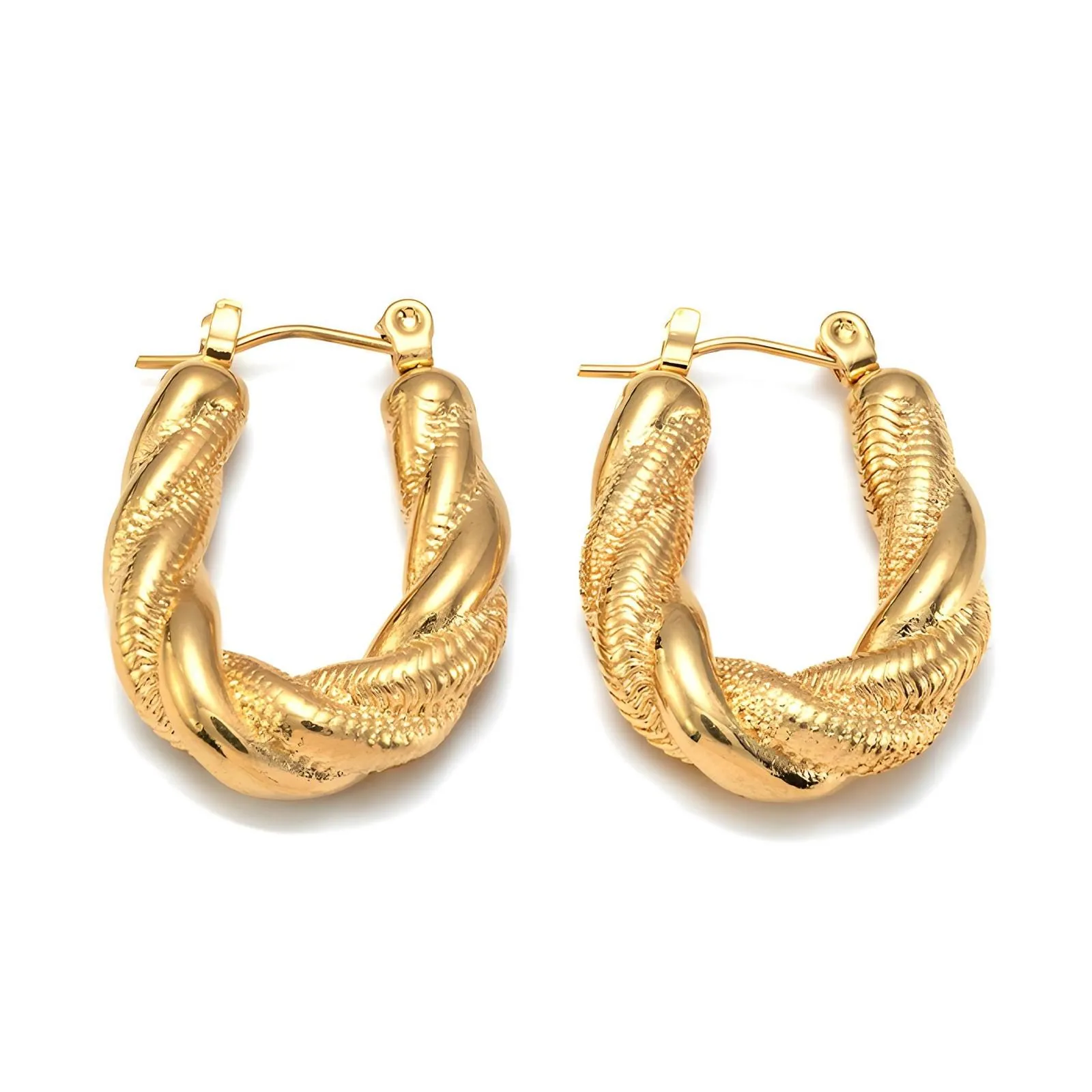
Does Gold-Plated Stainless Steel Tarnish?
What gold-plated stainless steel can do well, how a plated finish actually changes, and the simple care that helps it stay bright.
Read the guide ↗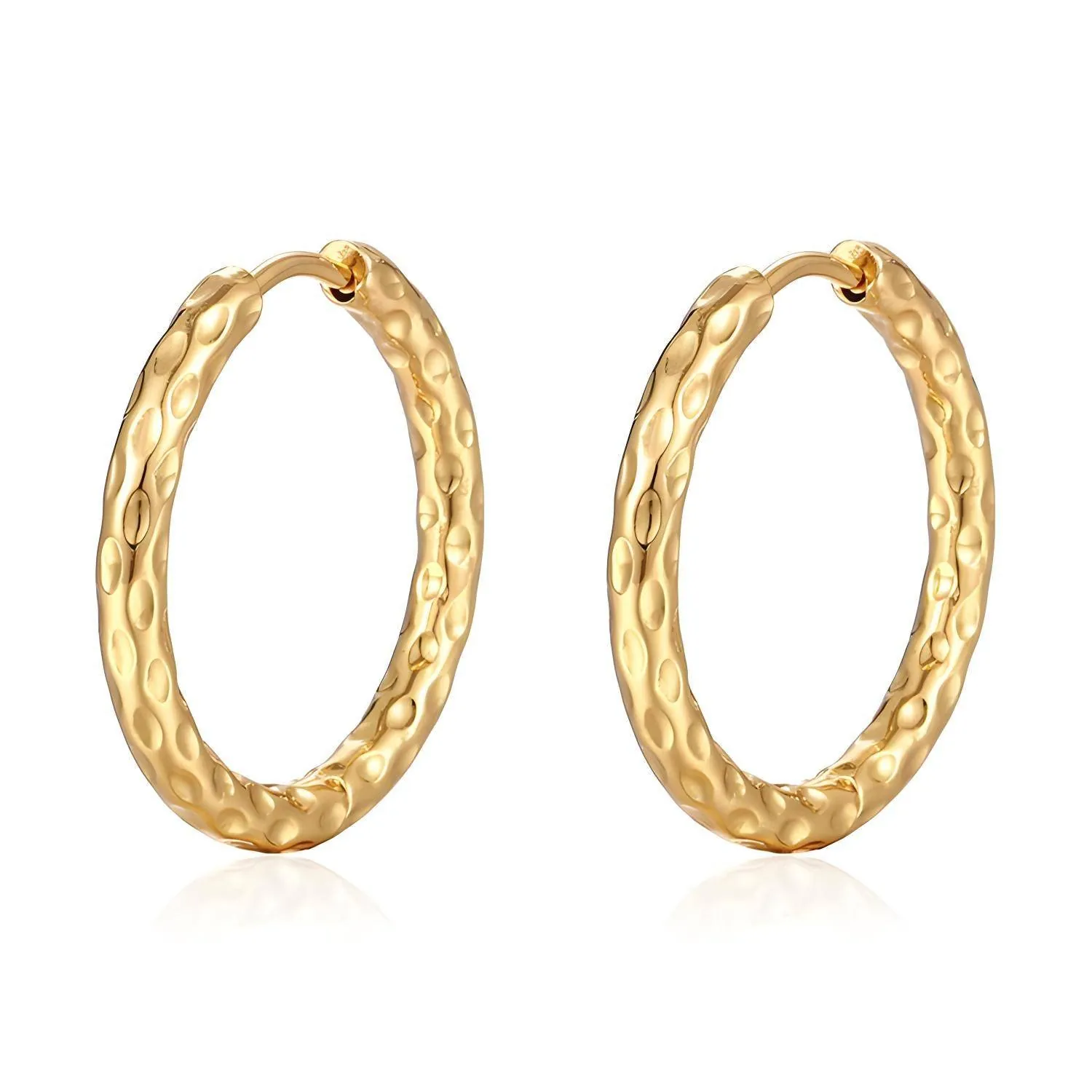
Gold Filled vs Gold Plated: Which Fits You?
A clear comparison of gold-filled and gold-plated jewelry, from construction and care to the questions worth asking before you buy.
Read the guide ↗What Is Gold-Plated Jewelry? A Simple Guide
What gold-plated means, what to look for in a listing, and how to choose and care for a piece with confidence.
Read the guide ↗