
Hoop earrings earn their place in an everyday jewelry rotation because they do a lot with very little effort. A small textured hoop can make a T-shirt feel finished. A larger pair can carry an outfit when everything else stays simple. The care is not complicated, but hoops do have a few parts that deserve attention: the surface you see, the post or wire that goes through the ear, the closure that keeps the pair secure, and the circular shape that can bend when it gets caught.
The easiest rule is this: treat the material and construction in front of you, not the idea of “earrings” in general. A solid-gold hoop, a plated hoop, a pair with pearls, and a lightweight hollow hoop should not all be cleaned or worn the same way. Start with the maker’s guidance when you have it. When you do not, a soft dry cloth, a careful closure check, and dry separate storage are a sensible, low-risk routine.
Start with the material, finish, and closure
Before cleaning or wearing a hoop often, read the product description. Look for the metal, whether the color is a surface finish, and whether it has stones, enamel, pearls, or a specialty closure. The Federal Trade Commission’s jewelry buying guidance explains that gold plating can be made through several processes and eventually wears according to its thickness and how the piece is worn. In other words, “gold-colored” does not tell you enough on its own.
For gold-plated hoops, a dry soft cloth is the best default. Avoid metal polish, toothpaste, baking soda, rough paper towels, and stiff brushes. Those can add scratches or wear to a surface finish. Plain, sturdy metal hoops may tolerate a more thorough clean when the maker says so, but details such as glued stones, pearls, or unknown vintage parts call for a gentler approach.
Then check the closure. A hoop that clicks, hinges, latches, or threads into place should close smoothly without force. If you need to bend a post to make it meet the closure, pause. Repeated force can change the alignment, and a stretched hinge or loose post is more likely to lose an earring than a bit of surface dullness is to ruin it.

Put hoops on last, then take them off before the day gets rough
Make earrings the last step after lotion, sunscreen, fragrance, makeup, and hair products have settled. That small order keeps products from building up near the post, hinge, or texture of the hoop. It matters for any pair, but it is especially useful for plated finishes and for hoops with stones or decorative surfaces.
Take hoops off before showering, swimming, exercising, sleeping, or using household cleaners. That is not a rule meant to make jewelry high-maintenance. These are simply the moments when moisture, chlorine, sweat, snagging, and pressure have more opportunity to damage a finish or bend a closure. The Gemological Institute of America notes that everyday products and household chemicals can damage or discolor precious metals and can be especially hard on delicate gems and porous materials.
If you forget once and get your hoops wet, do not panic or scrub. Pat them dry with a clean soft cloth, let them dry fully in the open, then put them away. The concern is repeated exposure and residue, not one ordinary mistake.
Clean lightly, and only as much as the pair needs
For gold-plated hoops
After a few wears, gently wipe the front, back, post, and closure with a clean dry microfiber or lint-free cloth. Use light pressure. If residue remains, a barely damp cloth may be appropriate when the listing allows it, followed immediately by a dry cloth. Do not soak the hoops or use polishing compounds. Our guide to cleaning gold-plated jewelry walks through the same gentle approach in more detail.
For plain, sturdy metal hoops
When the material is known and there are no delicate stones or finish concerns, mild soap and lukewarm water can sometimes help with buildup. Use a soft cloth rather than soaking the pair, rinse carefully when needed, and dry every part of the closure completely. The GIA’s jewelry-care guidance recommends mild dish soap and a soft brush for many colored gems, while stressing that not every gem or treatment is safe for the same cleaning method.
For hoops with stones, pearls, enamel, or uncertainty
Use the mildest route. A dry cloth is usually the safest place to begin. Pearls, porous stones, treated gems, glued settings, and unknown materials can be damaged by heat, chemicals, soaking, or ultrasonic cleaners. If a stone feels loose, the finish is lifting, or a closure has stopped lining up, put the pair aside and let a jeweler assess it instead of trying to clean through the problem.

Protect the hoop shape and the parts that move
A hoop’s circle is part of its design. Larger or lighter styles can be caught by a sweater, towel, hairbrush, scarf, or headphone cord. Take them off before pulling clothing over your head, sleeping, or doing anything where the hoop may be pressed or tugged. If one looks slightly out of round, do not repeatedly squeeze it back into shape. That can stress the metal and throw off the post or latch.
Hinged hoops deserve a quick look before each wear. Open the closure gently, check that the post is straight, and close it without forcing it. For a clicker or latch-back, listen and feel for the normal secure close. For a simple wire hoop, make sure the end slides into the receiver cleanly. A closure that feels suddenly loose, rough, or misaligned is a repair question, not a styling challenge.
Keep pairs together. When one hoop lands loose in the bottom of a bag, its post can bend and the mate can disappear. A small pouch, divided tray, or the original box makes the pair easier to find and protects the closure from other jewelry. For a broader setup that keeps every piece easy to reach, see how to store jewelry without tangles.
Match the routine to the hoop you actually wear
Small huggies and close-fitting hoops
Small hoops sit close to the earlobe, so product buildup can collect around the post and closure more easily than on a larger open shape. Wipe those contact points gently after a few wears, then make sure the clasp closes cleanly before you put the pair away. Their compact shape is convenient, but do not assume it makes them sleep-in jewelry. Pressure from a pillow or a caught towel can still strain a hinge or irritate an ear.
Medium everyday hoops
Medium hoops are often the pair that gets the most use, which makes rotation useful. Let one favorite pair rest while another takes its place. This gives you a moment to wipe them down and check the closure instead of wearing the same pair through every shower, workout, and rushed bedtime. A regular rotation is not about saving jewelry for someday. It is simply an easy way to give each pair less friction and a longer-looking finish.
Large, lightweight, or hollow hoops
Large hoops make more contact with hair, scarves, collars, and the straps of a tote bag. Lightweight or hollow styles can also be easier to bend when they are pressed in a drawer or packed without protection. Store them flat in their own pouch or box, rather than hanging them from a crowded rack or slipping them around another piece. If one changes shape, resist the urge to keep bending it back and forth. The sooner it is assessed, the better chance you have of keeping the closure aligned.
Hoops with stones or decorative details
Texture, enamel, pearls, and stones make a pair more expressive, but they also make a one-size-fits-all cleaning method less useful. Use a soft dry cloth around the settings, avoid soaking, and do not let a brush catch under a stone or against a glued decoration. When you are unsure how a detail is attached, treat the pair as delicate and follow the listing’s instructions rather than borrowing a cleaning method from a plain metal hoop.
Two small problems you can catch early
A hoop that will not close smoothly
First, look for lint, dried product, or a tiny bit of residue around the closure. A gentle dry wipe may be enough. If the post still misses the latch, looks bent, or needs force to close, stop. Forcing the connection can stretch the mechanism or snap a small part that was otherwise repairable. Keep the pair together in a pouch and have a jeweler look at it if the hoops are important to you.
A dull spot or changing color
Look at the pair in good natural light after a soft wipe. Even dullness may be residue from product or skin oils. A color change that stays on an edge, post, hinge, or other high-contact point may be ordinary wear in a plated finish. Cleaning harder will not rebuild that surface. The kinder response is to keep the remaining finish clean, reduce water and friction, and decide whether professional advice makes sense for the pair.
A five-minute hoop earring routine
- Before wearing: Check that each closure opens and closes easily, and that the post is straight.
- When getting ready: Add hoops after fragrance, lotion, sunscreen, makeup, and hair products.
- During the day: Remove them before water, workouts, sleep, cleaning, or activities where they can snag.
- After a few wears: Wipe each pair with a soft dry cloth, including the post and closure.
- When putting them away: Store each pair dry and together in a soft separate space.
That is enough for most everyday hoops. It is also a useful way to notice a small issue early, before a loose back, bent post, or cloudy finish turns into the reason a favorite pair stays in a drawer.

When a hoop needs a jeweler, not another cleaning
Stop home care when the post is bent, the hinge is wobbly, the closure will not meet, a stone moves, a backing no longer holds, or the finish appears to be lifting. A gentle wipe can remove product residue. It cannot replace worn plating, straighten fatigued metal, or secure a loose setting. Stronger cleaners and forceful bending tend to make those problems worse.
A professional check is also worthwhile for a sentimental pair or hoops with fine stones, pearls, enamel, or a specialty mechanism. You do not need to wait for a dramatic failure. Bringing in a pair when the closure first feels off can be simpler than replacing one lost earring later.
Keep the care routine as easy as the style
Good hoop care is mostly about small habits: product first, hoops last; water and workouts without them; a soft wipe after a few wears; and a dry spot where the pair stays together. Those steps help protect both the look of the earrings and the practical parts that make them wearable.
Clothworks Shop’s gold-plated hoop earrings are made for an easy finishing touch, while the wider earring collection has more shapes to rotate through. If you want a gold-colored pair with a stainless steel base, browse the current gold-plated stainless steel earrings and follow the care notes on the individual listing.
Frequently asked questions
How often should I clean hoop earrings?
Give hoops a gentle dry wipe after a few wears, or sooner if they have picked up lotion, fragrance, sunscreen, or perspiration. A deeper clean should follow the material-specific instructions for that exact pair rather than a universal schedule.
Can I shower or sleep in hoop earrings?
It is safer to take hoops off first. Repeated moisture, products, and pressure can affect a finish and put stress on the post or closure. Removing them also lowers the chance that a hoop catches while you sleep.
How do I keep hoop earrings from bending?
Remove them before pulling clothes over your head, sleeping, exercising, or carrying them loose in a bag. Store each pair together in a pouch, box, or divided tray, and do not force a post or closure that has stopped lining up.
Can I use jewelry polish on gold-plated hoops?
It is better to avoid polish, toothpaste, baking soda, and rough cloths on gold-plated hoops. A soft dry cloth is the safest routine option because abrasive products can wear a surface finish faster.
Related posts
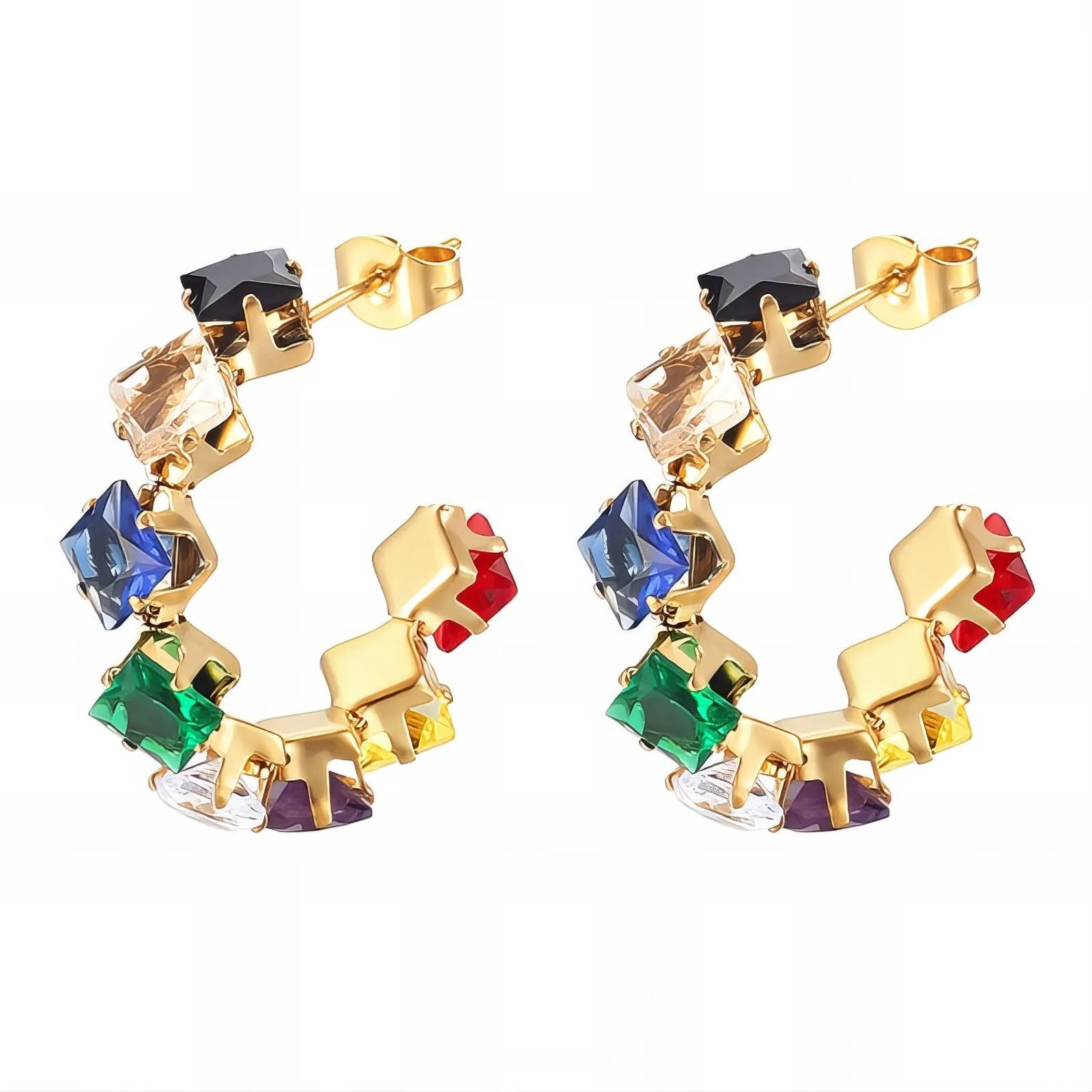
How to Clean Earrings Safely at Home
A material-aware earring cleaning routine for keeping posts, backs, hoops, and delicate finishes fresh without overdoing it.
Read the guide ↗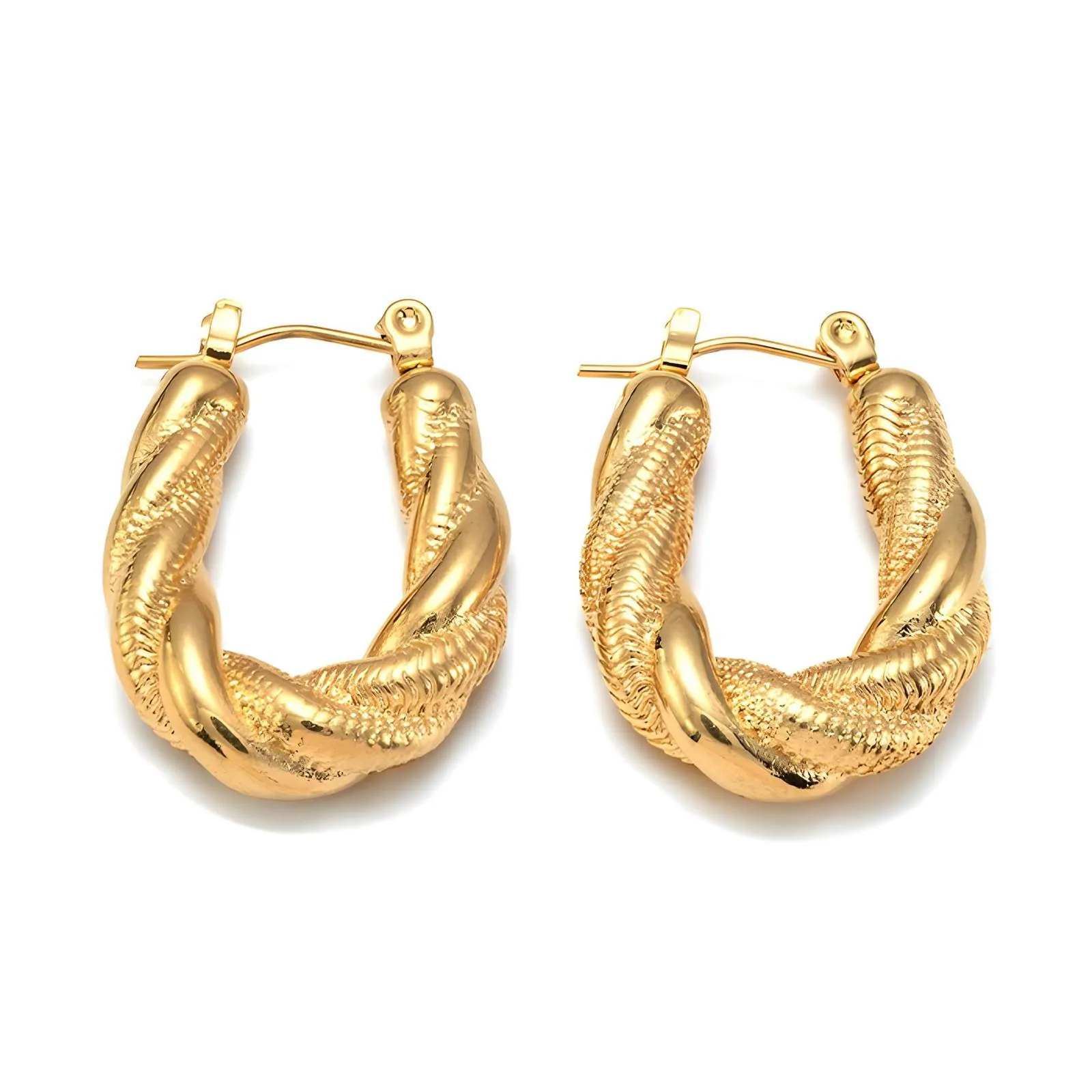
Does Gold-Plated Stainless Steel Tarnish?
Does gold-plated stainless steel tarnish? Learn what can change over time, how to spot finish wear, and the gentle care that helps it stay bright.
Read the guide ↗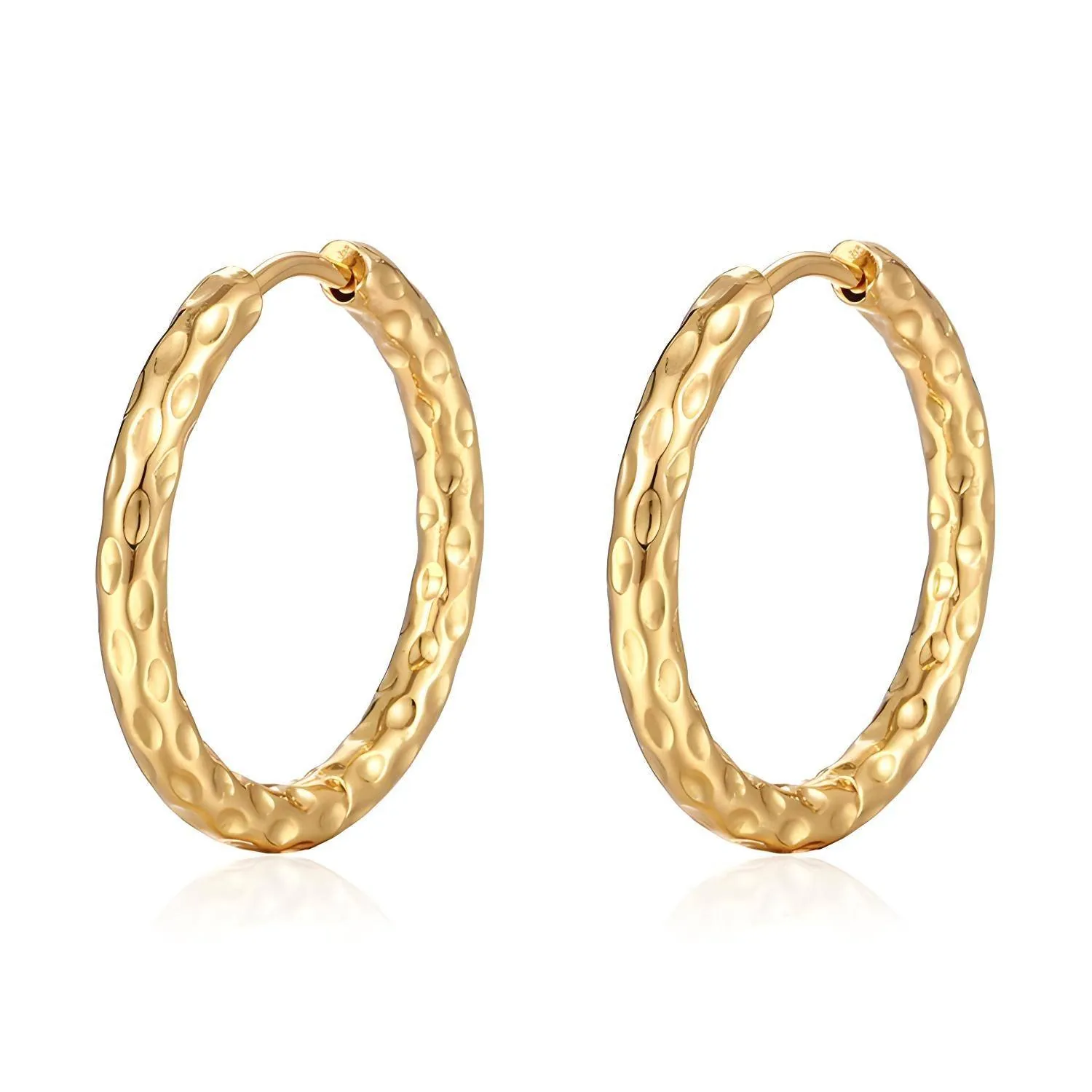
Gold Filled vs Gold Plated: Which Fits You?
A clear comparison of gold-filled and gold-plated jewelry, from construction and care to the questions worth asking before you buy.
Read the guide ↗