
Jewelry picks up more of the day than most of us notice. Lotion, fragrance, skin oils, soap, and a little dust can make a favorite pair of earrings or necklace look less bright than it did last week. The good news is that routine cleaning at home does not need a drawer full of products. It needs a gentle approach, a clear idea of what you are cleaning, and the confidence to stop when a piece needs more care than a quick refresh can give it.
The safest habit is simple: begin with the least aggressive method. A soft dry cloth is enough for many everyday pieces. Mild soap and lukewarm water can be useful for certain sturdy items, but it is not a universal recipe. Jewelry can include plated finishes, glued details, pearls, treated stones, and delicate settings. Those differences matter more than whether something looks a little dull in the moment.
First, identify what you are cleaning
Before water touches a piece, pause for a quick check. Look for a material label, the original product details, or a jeweler's care note. Solid metal, gold-plated jewelry, sterling silver, stainless steel, pearls, enamel, costume pieces, and gemstone jewelry do not all want the same treatment. A little detective work now is better than trying to fix avoidable damage later.
The Gemological Institute of America advises keeping jewelry away from chemicals and using ultrasonic cleaners with caution because some gems and treatments can be harmed by heat, solvents, or vibration. Their jewelry care guidance is a useful reminder that the right cleaning method depends on the materials in front of you, not a one-size-fits-all internet trick.
Check the piece itself, too. Do not try to clean around a loose stone, bent post, cracked enamel, peeling finish, or damaged clasp. A brush can catch where it should not, and soaking can move water into places that are difficult to dry. Put that piece aside for a jeweler. Home care is for routine buildup, not repair work.
Start with the gentle routine
For a small everyday rotation, you only need a clean microfiber or lint-free cloth, a soft towel, good light, and a place where tiny pieces cannot roll into a sink or floor gap. Work over a folded towel on a table, not over an open drain. Keep one piece in front of you at a time. This makes it much easier to notice a missing back, a weak clasp, or a stone that needs attention.
For jewelry you know is sturdy and safe around water, add a small bowl of lukewarm water, one or two drops of mild dish soap, and an extra-soft toothbrush reserved for this job. The American Gem Society also recommends a mild dishwashing-detergent solution for appropriate jewelry, which is why the amount of soap matters. You are lifting everyday residue, not trying to strip or polish the surface.
1. Wipe with a soft dry cloth
A dry wipe is the best first move for almost every piece. Lay the jewelry on a soft towel and use light strokes to remove fingerprints, skin oils, and surface dust. For earrings, wipe the front, back, posts, and closure. For a chain, hold one end still and clean a few inches at a time instead of pulling the full necklace through the cloth.
This is especially useful for pieces you wear often and for anything with a plated surface. It is quick, controlled, and far kinder than reaching for a strong cleaner because a piece is not mirror-bright. Make it a small end-of-day habit and most pieces will need less attention later.

2. Use mild soapy water only when the piece can handle it
If a dry cloth does not lift the buildup, mild soap and lukewarm water can help with sturdy, known materials. Keep the water comfortably warm, never hot. Use only a drop or two of mild dish soap, then gently swish the water with your finger. A cloudy bowl full of bubbles does not clean better. It only makes rinsing and drying harder.
Place the jewelry in the solution briefly, or dip a soft cloth into the solution and wring it out well before wiping. The cloth method gives you more control, which is helpful for chains, detailed earrings, and pieces you would rather not soak. For a smooth, sturdy ring or a simple item with no loose stones, an extra-soft toothbrush can lightly work around grooves. Use almost no pressure. Let the soft bristles and mild soap do the work.
Do not use this method for pieces with pearls, opals, turquoise, enamel, glued stones, unknown vintage components, or a gold-plated finish. The GIA's pearl care guidance specifically warns against ultrasonic and steam cleaning, and notes that strung pearls need to be fully dry. When a material is delicate or uncertain, a dry or barely damp cloth is the safer call.

3. Rinse carefully, then dry completely
If you used soapy water on an appropriate, sturdy piece, remove the residue with a second cloth that is barely damp with plain water. Avoid a running faucet when you can. It is easy to lose a small earring back, and it gives you less control over where water goes. For a simple piece that can safely be rinsed, use a small bowl of fresh water instead, then lift it out carefully.
Drying is not an optional last step. Pat the piece with a soft towel, then leave it on the towel in open air until it is completely dry. Take your time around clasps, chain links, and detailed settings, where moisture can linger. Do not put jewelry straight into a pouch, box, or drawer while it still feels cool or damp.
A clean, dry piece is ready to wear or store. A clean but damp piece is an invitation for residue, dullness, and another round of cleaning sooner than you need it.
What to skip, even when a shortcut sounds tempting
Toothpaste, baking soda, rough paper towels, scouring pads, bleach, chlorine, ammonia, and household sprays do not belong in a general jewelry-care routine. Abrasive products can scratch metals and stones, while strong chemicals can damage finishes and delicate materials. GIA also cautions that everyday products such as hairspray, lotion, perfume, and cosmetics can harm pearls and other porous gems.
Ultrasonic machines and steam cleaners need the same caution. They can be appropriate in some professional settings for some pieces, but they are not a universal home solution. If a stone is treated, fractured, loose, or set with glue, vibration and heat can create problems you cannot see until later. Save the machine for a piece whose care instructions clearly allow it, or let a jeweler make that call.
There is one shortcut that is always worth skipping: cleaning a piece just because it looks valuable, without knowing what it is. Sentimental and vintage jewelry often has materials, repairs, or treatments that are not obvious from the surface. Gentle care preserves your options. Aggressive care takes them away.
A quick guide by jewelry type
Gold-plated jewelry
Gold-plated pieces need a light hand because the gold color is a surface finish. Start and usually finish with a dry, soft cloth. If needed, use a barely damp cloth, then dry immediately. Do not soak it, scrub it, or polish it with an abrasive cloth. Clothworks Shop's guide to cleaning gold-plated jewelry gives a closer look at the routine for gold-tone earrings and necklaces.
Simple gold, stainless steel, or sturdy silver pieces
When you know the piece has no delicate stones, loose settings, glued details, or special finish, mild soap and lukewarm water may be appropriate. Wipe gently, use an extra-soft brush only in small crevices, rinse with control, and dry completely. Tarnish on sterling silver can be a separate issue, so do not assume a home method that works for one metal works for all of them.
Pearls, porous stones, enamel, and costume jewelry
Keep water to a minimum. Wipe gently with a soft dry cloth, or use a barely damp cloth if you know the maker allows it, then let the piece dry in the open. Avoid soaking and harsh chemicals. Pearls, opals, turquoise, and glued costume details deserve more caution than a simple metal hoop. When in doubt, a professional cleaning is the better value than replacing a damaged favorite.
Jewelry with stones or detailed settings
Look closely before you clean. If stones feel secure and the material is known to be sturdy, a mild solution and very soft brush may be fine. If a setting moves, a stone rattles, or you cannot identify the material, stop. A jeweler can check a setting while cleaning it, which is something a bowl on the kitchen counter cannot do.
Store jewelry clean, dry, and separate
Cleaning works better when storage supports it. Once a piece is fully dry, keep it in a soft pouch, a divided tray, or a lined box where it does not rub against other pieces. Fasten necklaces before putting them away, and keep earring pairs together. This helps prevent tangles, scratches, and the small annoyances that make a favorite piece harder to reach for.
For an easy routine that keeps chains and earrings organized between wears, use the guide on how to store jewelry. The goal is not a perfect display. It is a simple place that helps every piece stay dry, protected, and ready to wear.

When to leave it to a jeweler
Stop home cleaning and get professional advice when a stone is loose, a clasp is damaged, a setting looks bent, plating is lifting, or a piece has an unknown material or sentimental value. The same goes for heavy tarnish that does not come away with a gentle wipe. Cleaning should not feel like a rescue mission.
A jeweler can inspect the piece while they clean it, which matters for jewelry you wear a lot or want to keep for years. Bring the original box, product details, or any note about repairs when you have them. The more a jeweler knows about the material, the better they can care for it.
Keep care as easy as wearing it
The best at-home jewelry routine is the one you will actually repeat: wipe pieces gently after a few wears, use mild soap only when it suits the material, dry everything fully, and store it separately. That small bit of attention keeps everyday jewelry looking fresh without turning a favorite accessory into a high-maintenance project.
Set yourself up for that easy version. Keep one clean cloth near the place where you take jewelry off, rather than waiting until every piece looks tired. Clean only a few items at a time, then put them away when they are dry. That small rhythm also gives you a chance to spot a loose back or tangled chain before it becomes an inconvenient surprise on the day you want to wear it.
There is no prize for using the strongest cleaner or polishing for the longest. A piece that stays comfortable to wear, easy to find, and cared for in a way that suits its material is doing exactly what it should. Gentle care is not less effective. It is simply more likely to protect the details that made you choose the piece in the first place.
Clothworks Shop is made for the pieces that add a little something to an ordinary day. Browse the current earring collection, find an easy layer in necklaces, or explore the gold-plated stainless steel earrings when you are ready for another piece to add to the rotation.
Frequently asked questions
What is the safest way to clean jewelry at home?
Start with a clean, soft dry cloth. If you know a piece is sturdy, free of loose stones, and safe around water, mild dish soap in lukewarm water may be appropriate. When you are not sure what a piece is made of, do not soak it. A careful wipe and advice from a jeweler are safer than guessing.
Can I clean jewelry with toothpaste or baking soda?
It is better not to. Toothpaste, baking soda, and many household scrubs are abrasive. They can scratch metal, dull a finish, or damage softer stones. Use the gentlest method that fits the specific piece instead.
Can I soak gold-plated jewelry in soapy water?
Skip the soak. Gold-plated jewelry is best handled with a soft dry cloth, or a barely damp cloth when needed, then dried completely. For a fuller plated-jewelry routine, use Clothworks Shop's gold-plated jewelry care guide.
When should I have jewelry cleaned professionally?
Ask a jeweler for help when a stone is loose, a setting moves, a clasp is damaged, a finish is lifting, or a sentimental piece needs more than a gentle wipe. Professional cleaning is also the sensible choice when you do not know the material or treatment of a piece.
Related posts
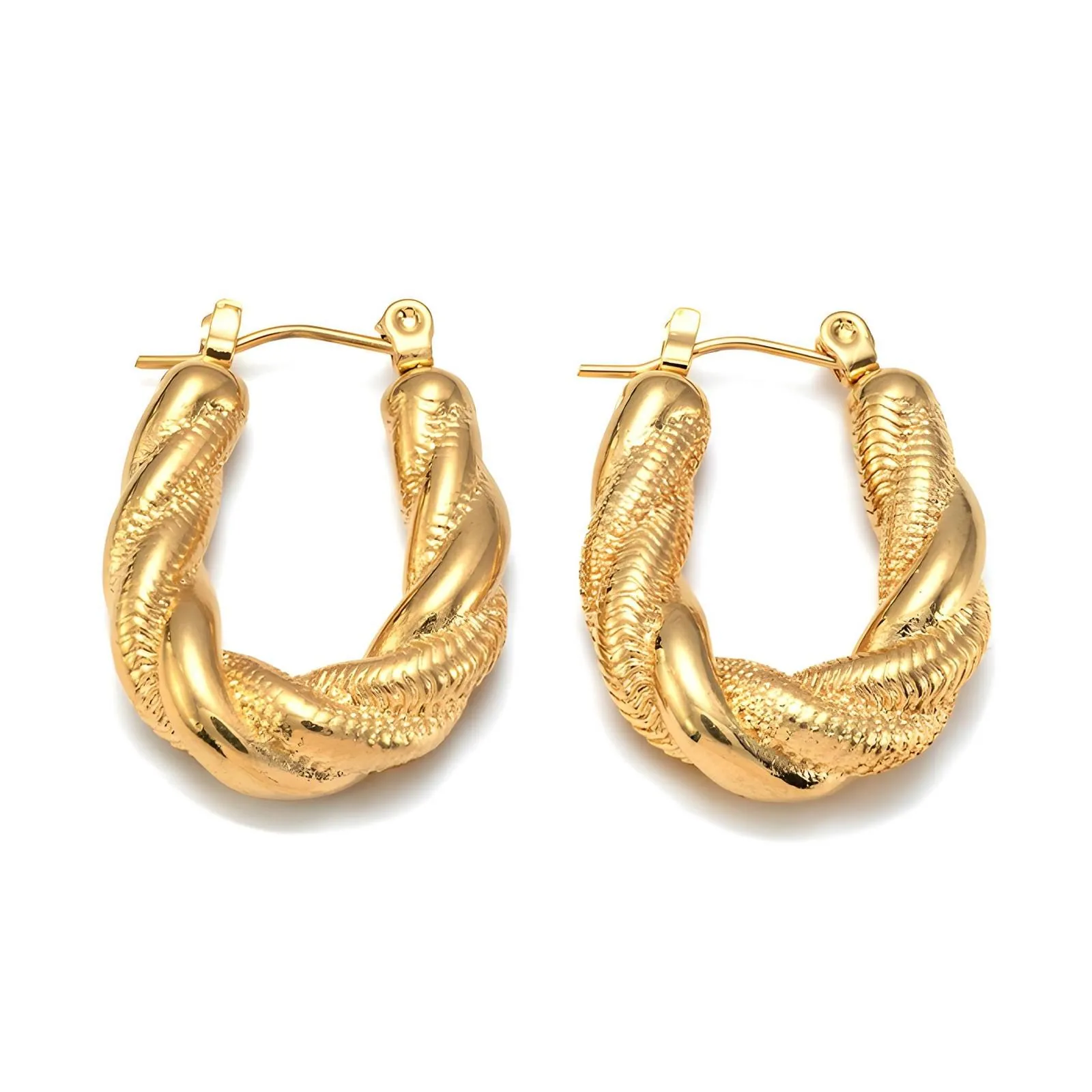
Does Gold-Plated Stainless Steel Tarnish?
What gold-plated stainless steel can do well, how a plated finish actually changes, and the simple care that helps it stay bright.
Read the guide ↗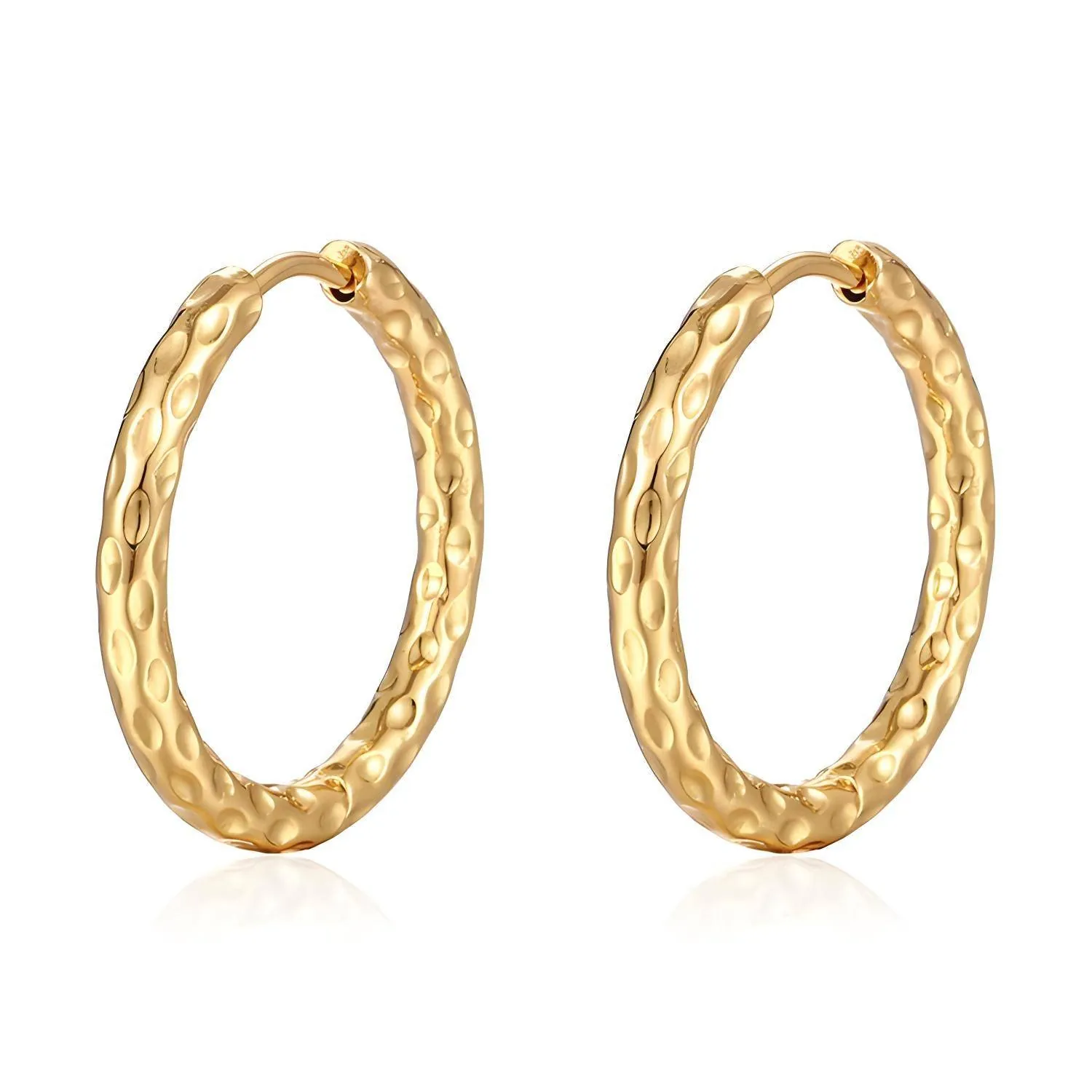
Gold Filled vs Gold Plated: Which Fits You?
A clear comparison of gold-filled and gold-plated jewelry, from construction and care to the questions worth asking before you buy.
Read the guide ↗What Is Gold-Plated Jewelry? A Simple Guide
What gold-plated means, what to look for in a listing, and how to choose and care for a piece with confidence.
Read the guide ↗