Gold-plated jewelry is a simple way to wear a warm gold look without choosing solid-gold jewelry for every pair of earrings or necklace. The useful thing to know is that “gold-plated” describes the surface of a piece, not every layer inside it. A base material gives the piece its shape, then a layer of gold or gold alloy gives it its color and shine.
That does not make a plated piece less worth wearing. It just changes the questions that help you choose well. Instead of asking whether it is “real” or “fake,” look for a clear product description, understand what the karat number refers to, and choose care that suits a finish rather than a solid-gold piece. Here is the plain-English version.
Gold-plated means a gold finish over another material
A gold-plated piece has a surface coating of gold or a gold alloy over a different material. The finish creates the color you see, while the material beneath provides the structure. Because the gold is on the outside rather than throughout the entire piece, gold-plated jewelry can offer the look of gold at a more approachable price.
The important distinction is in the wording. The Federal Trade Commission's Jewelry Guides say that a product that is only surface-plated needs language that makes that clear. A listing that says “18K gold-plated,” for example, is describing a gold-colored surface layer. It is not saying that the full piece is solid 18K gold.
That makes product details useful, not fussy. A clear listing can tell you the base material, whether the piece is plated, and any care guidance from the seller. If those details are not available, treat the piece gently rather than trying to guess how it will respond to water, products, or polishing.
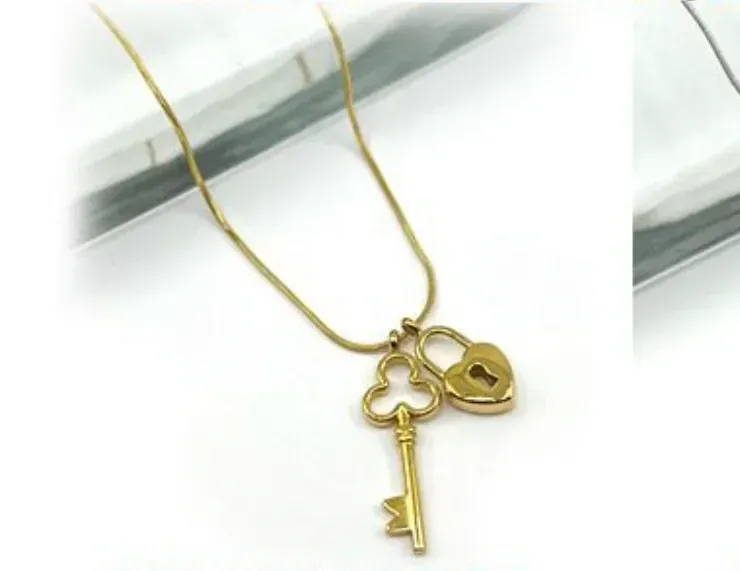
What does “18K gold-plated” actually tell you?
The “18K” part refers to the gold alloy used for the surface layer. It tells you about the gold color and purity of that finish, not the metal all the way through the necklace or earring. In the same way, an “18K gold-plated stainless steel” style has a stainless steel base with an 18K gold-colored finish on the outside.
What the karat number does not tell you on its own is how thick the finish is, how a specific piece was made, or how it will wear in one person's routine. Those differences matter. A fine chain worn daily against fragrance and clothing has a different day than a pair of earrings worn a few times a week. The most useful information is the information attached to the exact item you are considering.
Clothworks Shop lists material details wherever they are known. For example, the current gold-plated stainless steel earrings bring together pieces with a stainless steel base and a gold-plated finish. The description on each item is the right place to start before deciding how you would like to wear and care for it.
Gold-plated, gold-filled, vermeil, and solid gold are not interchangeable
These terms can look similar in a quick search result, but they describe different constructions. Gold-plated means a surface finish over another material. Solid gold means the metal itself is a gold alloy throughout. The difference affects price, care, and what you can reasonably expect from daily wear.
Gold-filled and related mechanical-overlay terms have their own standards. The FTC explains that these terms apply to a gold-alloy layer affixed by a mechanical process and require specific gold content by weight. That is different from an electroplated surface finish. A good listing should use the right term rather than treating “gold-filled,” “gold-plated,” and “solid gold” as interchangeable shortcuts.
Vermeil is also more specific than a general gold-plated label. Under the FTC's guidance, vermeil has a sterling-silver base, a qualifying gold alloy, and a minimum thickness requirement. If an item is not described as vermeil, do not assume it has a sterling-silver base. The label is a clue to the construction, not just a prettier word for a gold color.
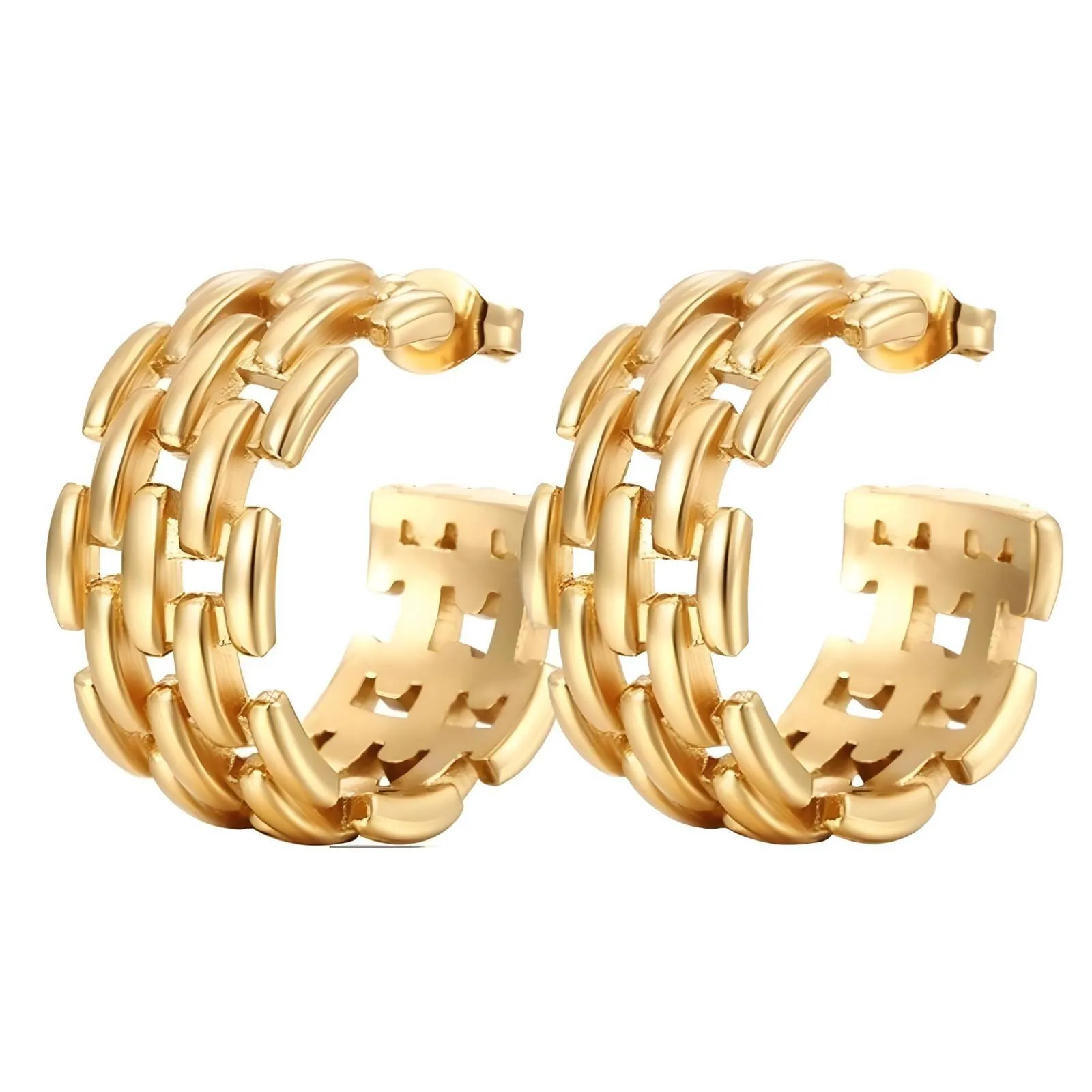
How to read a gold-plated jewelry listing
Start with the whole phrase, not just the first two words. “18K gold-plated stainless steel” tells you more than “gold tone,” because it identifies both the finish and the base metal. A product title that says only “gold” does not tell you enough to understand the construction, so look for the material details lower on the page or ask the seller before buying.
Then look for information that matches the piece you have in mind. Is it an earring, a necklace, a ring, or a bracelet? Does it have stones, enamel, pearls, or a textured surface? Is there a named base material? Is there care guidance? The answers do not need to be elaborate. They help you choose a piece that fits your life instead of expecting every gold-colored item to behave the same way.
Be cautious with homemade tests and claims that sound more certain than the listing. A magnet cannot confirm that a piece is solid gold or identify its exact construction. Strong cleaners cannot prove a finish is durable. When a material matters to you, the seller's details and a qualified jeweler's assessment are more reliable than trying to test an unknown piece at home.
A quick buying checklist
Use this short checklist when a gold-colored piece catches your eye. First, read the full material phrase. It should distinguish a plated finish from solid gold, gold-filled construction, vermeil, or a general gold-tone color. Second, check whether the base material is named. Knowing whether a piece is described as stainless steel, sterling silver, brass, or another material gives you a more useful starting point than the color alone.
Next, think about how the piece will be worn. A pair of earrings for occasional dinners and a ring that stays on through handwashing are not asking the same thing from their finish. Choose the style you genuinely want to wear, then set the care expectation to match. The goal is not to find an indestructible piece. It is to buy with a clear idea of what the item is and how it fits your routine.
Finally, keep the receipt, product page, or care card if the piece becomes a favorite. Those details are useful later if you need to remember the material, compare a change in the finish, or ask a jeweler for advice. Clear information makes an everyday purchase easier to enjoy, and it is always better than guessing from a photo.
Is gold-plated jewelry a good choice?
It can be a very good choice when you want variety, a polished look, and a price that lets you enjoy more than one style. A plated pair of hoops can make an easy everyday option. A necklace can give an outfit a warm finishing touch. The value is in choosing something you will actually wear, understanding what it is, and giving it the small amount of care its finish deserves.
It also helps to match the piece to the kind of wear it will get. Earrings and pendants often meet less friction than rings and bracelets, which spend more time near soap, desks, handles, and everyday surfaces. That does not make one category automatically better. It simply makes a little awareness useful when you are choosing a new favorite.
For a closer look at styles made for that easy gold-toned rotation, browse the earring collection, the necklace collection, or the shop's focused gold-plated jewelry collection. Each route leads to current pieces rather than asking you to sort through unrelated items.
Care for the finish, not just the color
A plated finish has the easiest time when it stays away from repeated water, chlorine, heavy fragrance and lotion residue, and rough polishing. Put jewelry on after skincare and hair products have settled. Take it off before showering, swimming, exercising, or cleaning. That is not a long list of rules. It is simply the gentlest default for a surface finish.
After a few wears, a soft dry cloth is usually enough for a quick reset. Store pieces fully dry and separately so chains do not tangle and surfaces do not rub together. The Gemological Institute of America's jewelry-care guidance makes the same practical point: keep jewelry away from chemicals and match care to the specific materials in the piece.
For a step-by-step routine, read how to clean gold-plated jewelry without damage. If your main concern is what can change over time, the guides on how long gold-plated jewelry lasts, what tarnish can look like, and showering with a plated finish answer those questions in more detail.
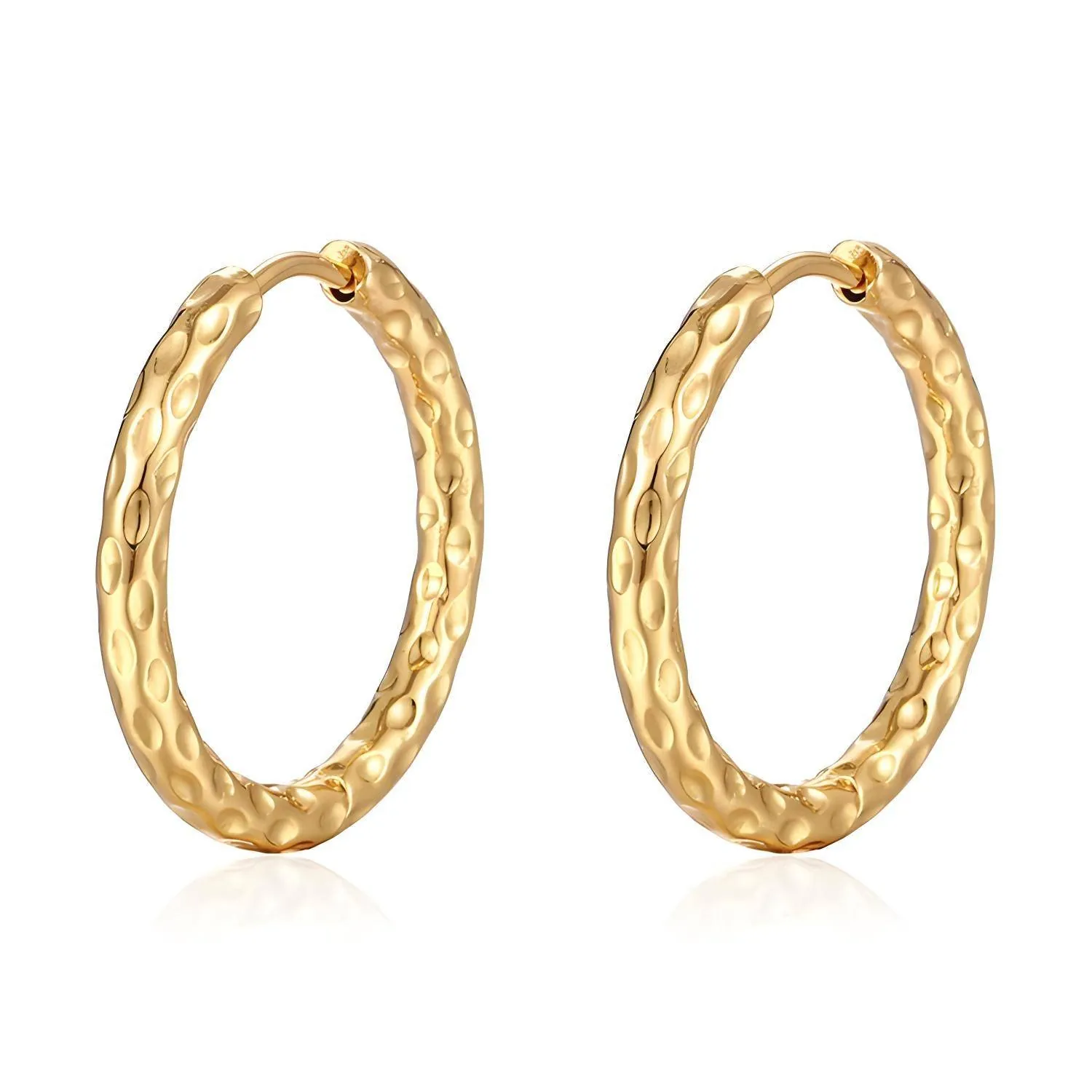
The bottom line
Gold-plated jewelry is not solid gold, but it is not a mystery either. It is jewelry with a gold finish over another material, designed to bring a warm gold look to everyday style. The best way to shop is to read the full material description, choose a piece that suits how you live, and keep the care routine simple enough to repeat.
That is plenty. Know what the label means, enjoy the piece, and give it a dry, gentle place to rest when you take it off. A little clarity makes it much easier to choose jewelry with confidence and wear it often.
Frequently asked questions
Is gold-plated jewelry real gold?
Gold-plated jewelry has a layer of gold or gold alloy on its surface, over a different base material. The gold layer is real, but the whole piece is not solid gold. Read the listing carefully so you know the base metal and how the finish is described.
What does 18K gold-plated mean?
It describes the karat of the gold-colored surface layer, not the composition of the whole piece. It does not, by itself, tell you the thickness of the finish or the base metal underneath, so those details are still useful to check.
Is gold-plated jewelry good for everyday wear?
It can be a lovely everyday choice when you enjoy it with realistic care. Earrings and necklaces often face less friction than rings and bracelets. Keep plated pieces away from repeated water, chlorine, heavy product buildup, and rough polishing, then store them dry and separate.
What is the difference between gold-plated and gold-filled jewelry?
Gold-plated jewelry has a gold surface finish applied over another material. Gold-filled and related mechanical-overlay terms describe a different construction with specific gold-content requirements. A listing should say which one it is rather than using the words interchangeably.
Related posts
Can You Shower With Gold-Plated Jewelry?
What one accidental shower means, why daily water and product exposure matter, and the easy routine that helps a plated finish stay bright.
Read the guide ↗
How Long Does Gold-Plated Jewelry Last?
A realistic guide to what affects a gold-plated piece over time, where everyday wear shows first, and how to help your favorites last longer.
Read the guide ↗Does Gold-Plated Jewelry Turn Green? What It Means
Why a green mark can happen, what it means for a plated finish, and the gentle habits that help keep your jewelry comfortable and bright.
Read the guide ↗