Gold-filled and gold-plated jewelry can look remarkably similar at first glance. Both give you a warm gold finish over a different base material, and both can make an everyday outfit feel finished. The important difference is beneath that first impression: the amount of gold, how it is attached, what the seller is actually promising, and what kind of wear you expect from the piece.
This is not a contest with one universal winner. A delicate plated pair of earrings can be a smart, enjoyable choice. A gold-filled necklace can make more sense when you want one piece to stay in steady rotation. The useful question is not “which sounds better?” It is “which construction fits the way I will actually wear it?”
The short answer: they are built differently
Gold-filled jewelry has a layer of gold alloy mechanically bonded to a base metal. Gold-plated jewelry has a gold surface layer applied by a plating process. Both descriptions refer to a surface of gold, not a piece made entirely of solid gold, but the construction is not interchangeable.
The Federal Trade Commission's consumer guidance explains that gold-filled, gold overlay, and rolled gold plate describe a layer of at least 10-karat gold mechanically applied to a base metal. It also explains that gold plating can be applied by several processes and will eventually wear, with the timing affected by thickness and use. Those definitions are the best starting point because a pretty product photo cannot tell you what is underneath.
In everyday language, think of gold-filled as a bonded gold layer and gold-plated as a finish. That difference affects price, maintenance, and the way a piece may look after a lot of rubbing, water, products, and ordinary life.

What gold-filled jewelry means
Gold-filled jewelry begins with a base metal and a layer of gold alloy that is mechanically bonded to it. Heat and pressure are part of that construction, which is why the gold layer is not simply brushed or sprayed onto a finished piece. It is a more substantial starting point than a standard surface plate.
In U.S. consumer guidance, “gold-filled,” “gold overlay,” and “rolled gold plate” are terms for jewelry with mechanically applied gold of at least 10 karats. The item should also identify the karat quality of that gold layer and use a term or abbreviation that makes the construction clear. A mark such as “1/20 14K GF” carries more information than a vague description that only says “gold.”
That does not mean every gold-filled piece needs to be treated as indestructible. Chains can still bend, clasps can still fail, and a high-contact ring will have a more demanding life than an earring. It does mean the buyer is choosing a different construction, one that may be worth considering when a piece is meant to be worn often and kept for a long time.
What gold-plated jewelry means
Gold-plated jewelry has a layer of gold or gold alloy on its exterior over a different base material. The plated surface creates the color and shine you see, while the base gives the piece its structure. Plating can make a range of styles and price points possible, which is one reason it is common in fashion jewelry.
The key is to read the listing as a description, not as a guarantee that two gold-toned pieces are alike. “18K gold-plated” tells you about the karat of the surface layer. On its own, it does not tell you the base metal, the thickness of the finish, or how a particular piece will hold up under your routine. Those are reasonable questions to ask before you decide.
Gold-plated jewelry is not a lesser choice by default. It can be the right way to try a new silhouette, build a gift, or enjoy a gold look without buying solid gold. It simply rewards realistic expectations and gentle care. The less friction, moisture, product buildup, and rough polishing it faces, the easier it is to keep the finish looking bright.

Gold filled vs gold plated at a glance
The most practical differences show up in construction, cost, and how you plan to wear the item. Neither label replaces the need to check a product description, especially when a piece includes pearls, stones, enamel, or another detail that needs its own care.
Construction
Gold-filled jewelry uses mechanically bonded gold. Gold-plated jewelry uses a surface plate. That is the central distinction, and it is more useful than trying to judge quality from a photo or a shade of yellow.
Price
Gold-filled pieces often cost more because they use a different construction. Gold-plated pieces can make a broader range of styling options approachable. Price alone does not tell you what is right, but it should make you pause when an item is described vaguely or when its material claim seems too good to be true for the price.
Wear and maintenance
A bonded gold layer may suit regular wear better than a light surface finish, but every piece still benefits from thoughtful handling. Plated jewelry is especially worth removing before showers, swimming, workouts, and cleaning. For either option, storing pieces separately helps avoid scratches and tangles.
Best use
Gold-filled jewelry can be a strong candidate for a staple piece you expect to reach for frequently. Gold-plated jewelry can be a great fit for trend-led styles, occasional pieces, and everyday earrings or necklaces when the care routine feels realistic. The item category matters too: a ring or bracelet meets far more surfaces than a pendant necklace.
How to choose for your routine
Start with the wear pattern, not the label. A piece you plan to wear through handwashing, workouts, sleep, and every shower has a tough assignment. A pair of earrings you put on after getting ready and take off before bed has a much easier one. The same material can perform very differently in those two lives.
Choose gold-filled jewelry when you want a durable everyday favorite, value a more substantial bonded layer, and are comfortable investing more up front. It can make particular sense for a simple chain, a pair of hoops, or a bracelet you know will become part of your regular rotation. Still ask about the base metal, closures, and care guidance. The construction is only one part of a good purchase.
Choose gold-plated jewelry when a specific shape or look matters most, when you want a gift-ready piece at an approachable price, or when the item will not face constant friction. A lightweight necklace, statement earring, or small pair of hoops can be easy to enjoy when you keep water and products out of the routine. A clear, honest listing matters more than a flashy label.
If your skin is sensitive or you are buying for someone else, material detail becomes even more important. Do not guess from color. Ask the seller what the base metal is and whether the piece contains nickel or another material you avoid. A seller who can answer plainly is usually giving you a better basis for choosing than a listing full of broad claims.

Four questions to ask before buying
1. What is the piece actually made of?
Look for the full description: gold-filled, gold-plated, vermeil, solid gold, and a named base metal are not interchangeable phrases. A good listing makes the construction easy to find. If it only says “gold” or “gold tone,” treat that as a reason to ask for more detail.
2. What does the karat number describe?
A karat number attached to “gold-plated” describes the gold alloy at the surface, not necessarily the whole item. It does not tell you the coating thickness by itself. A karat number attached to a gold-filled mark likewise needs the rest of the marking to explain the construction. Read the whole label, not just the largest number.
3. Where will the piece get the most friction?
Edges, clasps, earring posts, ring bands, bracelet links, and pendant bails tend to experience the most contact. A necklace that rests over clothing has a different day from a ring that meets soap, countertops, and handles. Be honest about the life you want the item to have, then choose a construction and care routine that support it.
4. Is the seller specific about care?
Clear care instructions are useful, not fussy. They show that the seller understands the item is not one-size-fits-all. Keep an eye out for advice about water, chemicals, storage, stones, and product buildup. If the details are missing, buy with more caution rather than making assumptions.
How to read hallmarks and listings without guessing
Hallmarks can be helpful, but they work best as a prompt to read more carefully. A piece may have a tiny stamp, a material line in an online listing, a product tag, or a care card tucked into the packaging. Any one of those can point you toward the construction, but none should be interpreted in isolation when the wording is unclear.
For gold-filled jewelry, you may see “GF,” “gold-filled,” “gold overlay,” or “rolled gold plate,” sometimes alongside a fraction and a karat mark. The point of a fuller mark is to tell you there is a mechanically applied gold layer and to identify the gold alloy. For plated jewelry, a seller may use “gold-plated,” “gold electroplate,” “gold tone,” or a coating description. Those phrases do not all mean the same thing, so they are a reason to look for the details that follow.
The legal language gets precise quickly, which is why it is useful to separate a material claim from a marketing phrase. The FTC Jewelry Guides set out the U.S. standards for terms such as gold-filled, gold plate, and vermeil. You do not need to memorize the regulations before you shop. You only need to know that a seller should be able to say plainly what the item is made of.
Be especially cautious with language that stops at “gold” or “luxury gold finish.” A color alone is not a material description. If the listing does not name the construction, the base metal, or the care approach, there is not enough information to compare it fairly with another item. That does not make the piece automatically bad. It means the purchase should be based on the style and price you are comfortable with, not on an assumption about longevity.
Where vermeil fits, and why it is not a shortcut for either
Vermeil is another word shoppers often see alongside gold-filled and gold-plated. It is not simply a prettier way to say “gold-toned.” In the U.S., vermeil describes gold plating over sterling silver and comes with particular material and thickness requirements. That sterling-silver base is the important detail. A plated piece over stainless steel or brass may be a perfectly reasonable item, but it is not vermeil just because it has a similar gold color.
It is tempting to turn these words into a quick hierarchy. In real life, the right choice depends on the item and the person wearing it. A gold-filled chain may appeal because of its bonded construction. A vermeil pendant may appeal because you specifically want sterling silver beneath the gold layer. A gold-plated earring may be exactly right because you love the design, the price works, and earrings will not face the same daily friction as a ring.
Material labels tell you how to begin the conversation, not how to end it. Look for the same basics in every category: the full material phrase, the base metal, the care guidance, the kind of wear the piece will get, and whether the seller is making specific claims they can support. This keeps “better” from becoming a vague promise and turns it into a decision you can make for yourself.
Why the piece category changes the decision
Two jewelry pieces with the same finish can have completely different daily lives. Rings are at the center of handwashing, desks, grocery bags, steering wheels, cooking, and keys. Bracelets knock against tables and sleeves. Fine necklaces rub against skin, fabric, and pendants. Earrings are generally lower-contact, although posts, backs, and hoops still collect product residue and can be bent if they are handled roughly.
This is why a material conversation should include shape and use, not only a label. If you want a piece to wear every day without taking off, a more substantial construction may be worth prioritizing. If you are choosing a pair of sculptural earrings for dinners, gifts, or a seasonal look, a plated option may give you exactly the style you want without asking you to pay for a level of durability you do not need.
Think about rotation too. A favorite necklace that rests for a day between wears will meet less constant moisture and friction than one worn through every workout and shower. Owning a few pieces you can alternate often makes a simpler care routine feel natural. You get variety, and each piece has a chance to be wiped dry and stored properly before its next outing.
This is not about making jewelry precious or fragile. It is about matching the piece to the routine. The better the match, the less likely you are to feel disappointed by an otherwise beautiful item that was asked to do more than its construction was meant to handle.
Set expectations that leave room to enjoy the piece
It is easy to look for a single lifespan promise, but no honest seller can give the same answer for every person and every style. Thickness, base metal, construction, contact points, storage, body chemistry, climate, and habits all play a part. A finish may look bright for a long time in one person's rotation and show wear sooner in another. That range is normal, not proof that you chose badly.
Focus on the signs you can actually use. If a piece looks cloudy after wearing it, a gentle dry wipe may remove product residue. If a color change stays in the same high-contact spot after cleaning, that can be wear rather than dirt. Do not respond by scrubbing harder. A stronger cleaner cannot put material back onto a surface, and it can remove more of the finish you want to protect.
A realistic expectation makes jewelry easier to enjoy. Wear the necklace you love, take off the hoops before water and workouts, and give a favorite piece a break when you know it has had a long day. These are small choices, not a set of restrictions. They help you get the best from the jewelry you own while making it easier to choose the next piece with confidence.
What a thoughtful purchase looks like in practice
Imagine two necklaces that look nearly identical in a photo. One is gold-filled with clear construction details, a named base metal, and care instructions. The other is described only as “gold” with no material information. If you are choosing a daily staple and the price difference is reasonable for your budget, the first gives you a clearer basis for deciding. You know what you are buying and how to care for it.
Now imagine a pair of plated earrings with an unusual shape that you love, offered at a price that leaves room for a gift or another style. If the listing honestly says gold-plated, identifies the base material, and gives sensible care guidance, that can be a thoughtful purchase too. You are choosing design and value with open eyes, not being sold a vague promise that it is something else.
The same thinking helps when you are buying a gift. Consider the recipient's habits. Do they reach for one pair of small hoops every morning, or do they enjoy changing their jewelry with an outfit? Do they prefer simple chains, statement earrings, or pieces for special occasions? A material label becomes more useful when it helps you choose something that will suit their actual life rather than a theoretical ideal.
How to care for both types without overdoing it
Gentle habits matter more than a dramatic cleaning session. Put jewelry on after lotion, fragrance, sunscreen, and hair products have settled. Take it off before showering, swimming, working out, cleaning, or sleeping. Those small choices keep moisture, residue, and friction from becoming a bigger problem.
For routine care, use a clean, dry, soft cloth and light pressure. Avoid toothpaste, baking soda, rough polishing cloths, chemical dips, and other shortcuts unless the seller of that exact piece says they are appropriate. A surface finish does not need to be scrubbed into submission. If the color has changed because the finish is worn, harder cleaning will not replace it.
Store each piece dry and separate. Close necklace clasps, give earrings a paired compartment or pouch, and keep jewelry away from bathroom steam. For a fuller simple setup, our guide to storing jewelry without tangles walks through practical options. If you are caring for a plated piece, the guide on cleaning gold-plated jewelry explains why a soft touch is the better default.
Where Clothworks Shop fits in
Clothworks Shop offers gold-plated jewelry and gives the material description on each current item listing. That makes the collection a good fit for shoppers who want easy-to-style gold tones, giftable details, and pieces they can enjoy with a simple care routine. The right expectation is not “wear it through everything.” It is “choose the pieces you love, then treat the finish with the care it asks for.”
If you are building an everyday rotation, start with the current earrings and necklaces, or browse the focused gold-plated jewelry collection. For a lower-contact everyday option, the gold-plated stainless steel earrings page brings together the shop’s current styles and their listed materials.
The best choice is the one you understand
Gold-filled and gold-plated jewelry each have a place. Gold-filled is worth a close look when you want a bonded construction for a regular-wear favorite. Gold-plated is a smart option when you want a particular style at a more accessible price and can give it simple, consistent care. Neither label replaces a clear product description, but understanding the difference makes it much easier to buy without second-guessing later.
Read the whole listing, match the piece to your actual routine, and keep care simple. That is more useful than chasing a label alone, and it leaves you with jewelry you are happy to wear rather than jewelry you are nervous to enjoy.
Frequently asked questions
Is gold-filled jewelry the same as gold-plated jewelry?
No. Both use gold over another material, but gold-filled jewelry has a mechanically bonded gold layer while gold-plated jewelry has a surface finish applied by plating. The listing should identify which construction it uses rather than treating the terms as interchangeable.
Does gold-filled jewelry last longer than gold-plated jewelry?
It can be a stronger choice for regular wear because the gold layer is mechanically bonded and substantially more substantial than a typical plated finish. Actual wear still depends on the piece, its construction, how often it rubs against surfaces, and the care it receives.
How can I tell whether jewelry is gold-filled or gold-plated?
Start with the product listing, tag, or hallmark rather than trying to judge by color alone. Look for clear material wording and ask the seller about the base metal, the construction, and any care guidance when those details are missing.
Is gold-plated jewelry a good choice?
It can be a lovely choice when you want a specific style at an easier price and are comfortable giving a surface finish gentle care. Earrings and necklaces often make especially practical plated options because they usually face less daily friction than rings and bracelets.
Related posts
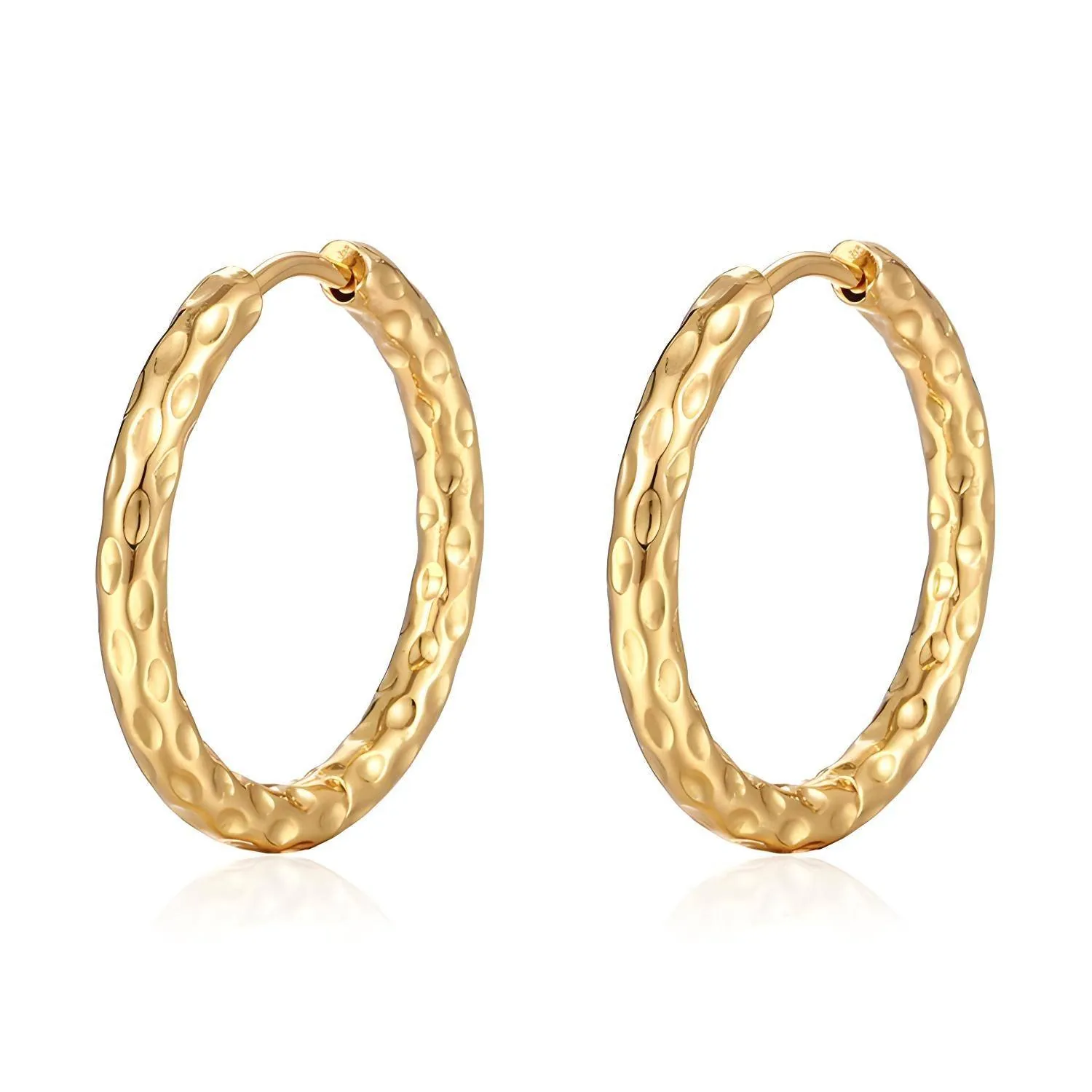
What Is Gold-Plated Jewelry? A Simple Guide
What gold-plated means, what to look for in a listing, and how to choose and care for a piece with confidence.
Read the guide ↗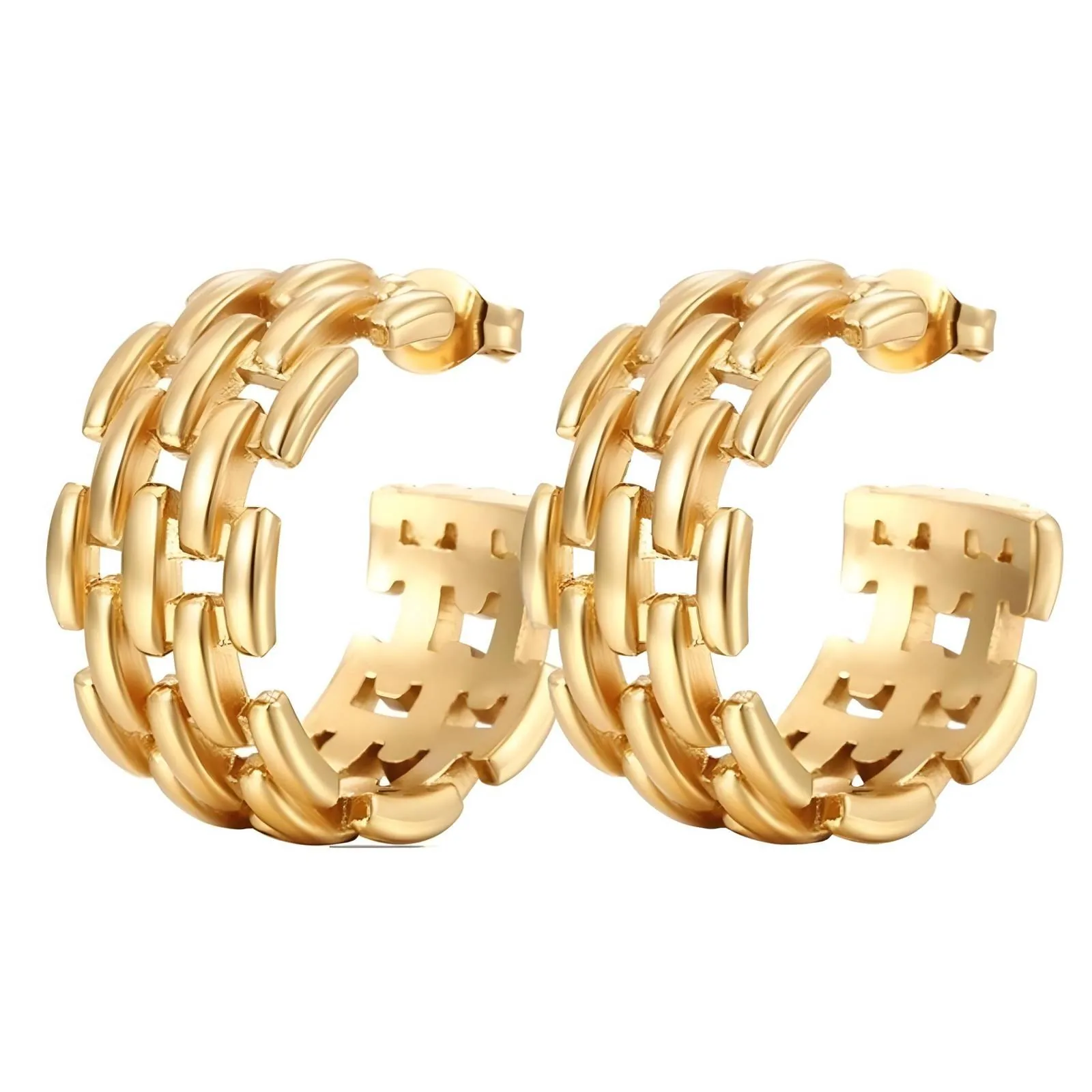
Can You Shower With Gold-Plated Jewelry?
What one accidental shower means, why daily water and product exposure matter, and the easy routine that helps a plated finish stay bright.
Read the guide ↗
How Long Does Gold-Plated Jewelry Last?
A realistic guide to what affects a gold-plated piece over time, where everyday wear shows first, and how to help your favorites last longer.
Read the guide ↗