
Stainless steel jewelry has a reputation for being easy to live with, and that is part of its appeal. A simple chain or pair of earrings can handle an ordinary day without asking for a complicated routine. Still, durable does not mean invincible, and it does not mean every piece carrying the words “stainless steel” should be cleaned or worn exactly the same way.
The useful starting point is to look past the color. Plain silver-toned steel, gold-plated steel, a piece with stones, and a necklace with an unknown coating each need a slightly different level of care. Most of the time, the best routine is modest: wipe away everyday residue, keep harsh products away, dry the piece properly, and store it where it will not rub or tangle. That is enough to keep a favorite piece ready to wear without turning jewelry care into a project.
Know what is on the surface before you clean
Start with the product listing, care card, or receipt if you have it. Plain stainless steel is not the same as gold-plated stainless steel. In the latter, the steel is the base material and the gold color is a surface finish. A finish can be affected by friction and abrasive cleaning even when the metal underneath is durable. A pair with enamel, glued stones, pearls, rhinestones, or a special coating also needs more caution than a simple steel chain.
This is why color alone is not a care instruction. A silver-toned item might be plain steel, plated metal, sterling silver, or something else altogether. If the construction is unclear, use a soft dry cloth and stop there until you can confirm more. The Federal Trade Commission's jewelry guidance is a useful reminder that terms such as gold-plated describe construction, not just appearance.
Also give the piece a quick inspection. Look for a loose stone, bent earring post, stiff clasp, chipped enamel, lifting surface, or damaged link. Cleaning is for ordinary skin oils, lotion, fragrance, and dust. It cannot tighten a setting, repair a closure, or rebuild a finish that has worn away.

The everyday routine that does most of the work
Put jewelry on after products have settled
Make jewelry the last step after lotion, sunscreen, fragrance, makeup, and hair products. That simple order keeps product film from sitting in chain links, around earring posts, and near a clasp. It also makes it easier to tell whether a piece needs cleaning or simply needs a quick wipe after a busy day.
Take it off before high-exposure moments
Remove jewelry before showering, swimming, exercising, cleaning, or using bleach, chlorine, ammonia, and other strong products. Plain stainless steel is corrosion-resistant, but a piece of jewelry is more than its base metal. It can have a finish, a clasp, stones, glue, or small spaces where residue settles. The safest habit is less exposure, not a harder clean afterward.
Wipe with a soft dry cloth after a few wears
A clean microfiber or lint-free cloth is the best first tool for almost every everyday piece. Use light pressure and work around the clasp, back of a pendant, earring posts, and any textured detail. For a necklace, hold one short section at a time rather than pulling the chain through the cloth. This lifts fingerprints and surface residue without asking more of the material than necessary.
The stainless-steel care guidance from Montblanc makes the same useful distinction: stainless steel is hard and resistant, but polished surfaces can still show ordinary wear and need protection from sharp contact. A cloth routine is small, but it helps you spot those changes early.
When a plain steel piece needs a deeper clean
If a dry wipe does not lift the dullness, pause and confirm that the piece is plain, sturdy stainless steel with no delicate details. A smooth chain, simple hoop, or metal pendant may be suitable for a gentle clean. A piece with a gold-colored finish, glued stones, pearls, enamel, or an unknown treatment should not be treated as a plain steel item.
Set up a controlled workspace
Work over a folded towel on a table, not over an open sink. Gather a soft cloth, a second dry cloth, a small bowl of lukewarm water, and one or two drops of mild dish soap. If a simple piece has buildup in a crevice, use a very soft brush with almost no pressure. The goal is to lift residue, not to scrub the surface bright.
Use mild soap and brief contact
Moisten the cloth in the mild solution and wring it out well. Wipe the piece gently, focusing on the spots that have visible buildup. For plain steel only, a short, controlled wash can be reasonable, but soaking a piece is unnecessary and creates more places to dry. Jewelers Mutual similarly recommends mild soap, a soft cloth, and thorough drying for suitable stainless steel jewelry, while warning against harsh chemicals and abrasive materials.
Skip toothpaste, baking soda paste, steel wool, scouring pads, rough paper towels, jewelry dips, and household sprays. A product that feels powerful enough for a kitchen or bathroom is not automatically a good match for a small polished surface, an earring closure, or a gold-colored coating. More pressure is not more care.

Drying is part of cleaning, not an afterthought
After any moisture touches a piece, dry it completely with a clean soft cloth. Then leave it open on the towel long enough for links, hinges, pendant bails, and clasps to air-dry. Water spots and leftover soap film can make a piece look dull again, which often sends people back toward a stronger cleaner they never needed.
A necklace deserves a little extra attention. Dry a chain a few links at a time and check the clasp. For earrings, dry the post and backing separately. Do not put a piece into a pouch or box while it feels cool or damp. A clean but damp necklace is not ready for storage yet.
Gold-plated stainless steel needs the gentler version
Gold-plated stainless steel is an attractive mix of a durable steel base and a warm gold-colored surface. The important care point is that the surface is still a finish. Treating it like bare steel can create unnecessary wear. Start with a dry soft cloth and use a barely damp cloth only when the exact product guidance allows it. Dry it immediately after.
Avoid soaking, polishing compounds, ultrasonic cleaners, toothpaste, baking soda, and stiff brushes. These methods may seem like a shortcut to shine, but they can add abrasion to a plated surface. If a color difference stays in the same high-contact spot after a gentle wipe, it may be finish wear rather than dirt. Cleaning harder will not replace the layer.
For a fuller explanation of what changes over time, read does gold-plated stainless steel tarnish?. For the gentlest cleaning routine, the guide to cleaning gold-plated jewelry explains what to skip and why.
Match the routine to the piece you wear
Necklaces and chains
Chains tend to collect product where they touch the neck, at the clasp, and around a pendant bail. A quick dry wipe after a few wears is usually enough. Before putting a necklace away, close the clasp and give it its own pouch or section of a tray. This avoids the tangle that encourages people to pull at a chain or use more force than a delicate closure needs.
Earrings
For earrings, keep the post, back, and closure as clean and dry as the front. These are the parts closest to hair products, skincare, and the ear itself. Remove earrings before sleeping or showering, and do not force a post that no longer meets its backing cleanly. The guide on cleaning earrings safely at home has a more detailed material-aware routine for pairs that need attention.
Rings and bracelets
Rings and bracelets make more contact with desks, soap, hand sanitizer, bags, and household tasks. They may need a wipe more often than earrings or a pendant. Take them off before cleaning, gardening, lifting weights, or hands-on work. If a gold-colored finish begins to look different along an edge, do not try to polish it back. A gentle wipe and less friction are kinder to the remaining surface.
Pieces with stones, enamel, or mixed materials
Let the most delicate material set the rule. Even when the base is stainless steel, a glued stone, enamel accent, pearl-like bead, or plated detail changes the cleaning decision. Stay with a dry cloth unless the maker gives specific care instructions. When a piece has mixed materials, a simple routine is better than a dramatic home treatment.
Keep steel jewelry dry, separate, and easy to reach
Storage does not need to be fancy. The practical goal is to keep pieces from rubbing together, tangling, or sitting in humidity. Fasten necklaces before putting them away. Keep earrings paired. Use a soft pouch, a lined tray, or a divided jewelry box, and choose a dry bedroom or closet rather than a steamy bathroom.
Separate storage matters even for sturdy steel. Chains knot around other chains, textured pieces can scuff smoother surfaces, and a loose earring can bend under the weight of a crowded drawer. A small, repeatable system makes a piece easier to find and gives you a better chance of noticing a loose back or stiff clasp before you put it on.

Know when to stop and ask a jeweler
Set the piece aside when a stone moves, a clasp feels bent or rough, a finish appears to be lifting, enamel is cracked, or you cannot identify the materials. That is not being precious about an accessory. It is the sensible moment to avoid turning a small issue into a larger one. A professional can inspect construction while cleaning, which a cloth at home cannot do.
The same goes for sentimental or higher-value pieces. If a gentle wipe does not change a cloudy area, take a close look in natural light. It may be ordinary finish wear, not something that needs aggressive cleaning. A jeweler can tell you whether a repair, replating, or simply gentler handling is the appropriate next step.
A five-minute stainless steel care habit
- Before wearing: Check the material, finish, clasp, and any decorative details.
- While getting ready: Put jewelry on after fragrance, lotion, sunscreen, and hair products.
- Before water or cleaning: Take it off before showers, swimming, workouts, and household chores.
- After a few wears: Wipe it lightly with a soft dry cloth, especially around closures and skin-contact points.
- When putting it away: Store it fully dry and separate from pieces that can scratch or tangle it.
That routine is enough for most everyday stainless steel jewelry. It protects the small details that make a piece wearable and keeps the care easy enough to repeat. Clothworks Shop's gold-plated stainless steel earrings and wider earring collection are made for an everyday rotation, so a quick gentle habit is the right level of effort.
Frequently asked questions
What is the best way to care for stainless steel jewelry?
For everyday care, wipe a plain stainless steel piece with a soft dry cloth after a few wears, keep it away from harsh cleaners and chlorine, and store it dry and separate from other jewelry. When it needs more than a wipe, use a small amount of mild soap and lukewarm water only if the piece has no delicate details, then dry every link, clasp, and crevice completely.
Can I wear stainless steel jewelry in the shower or pool?
The safest routine is to take it off first. Plain stainless steel is durable, but shower products, pool chemicals, saltwater, and repeated moisture can leave residue or affect parts beyond the steel itself. A gold-colored finish, glued stone, enamel detail, or unknown construction deserves even more caution.
How do I clean gold-plated stainless steel jewelry?
Treat the gold-colored layer as a finish, not as bare steel. Start with a clean dry soft cloth, avoid soaking, polishing compounds, toothpaste, and abrasive cleaners, and use only a barely damp cloth when the product guidance supports it. Dry the piece immediately and completely.
Does stainless steel jewelry need special storage?
It does not need a complicated setup, but dry separate storage makes a real difference. Fasten necklaces, keep earrings paired, and use a pouch, lined tray, or divided box so pieces do not rub together or tangle. Avoid leaving jewelry in a humid bathroom.
When should I stop cleaning a stainless steel piece at home?
Stop when a stone moves, a clasp is bent or rough, enamel is chipped, a coating is lifting, or you do not know the construction. A gentle wipe can remove ordinary residue, but it cannot repair hardware, replace a surface finish, or secure a setting.
Related posts
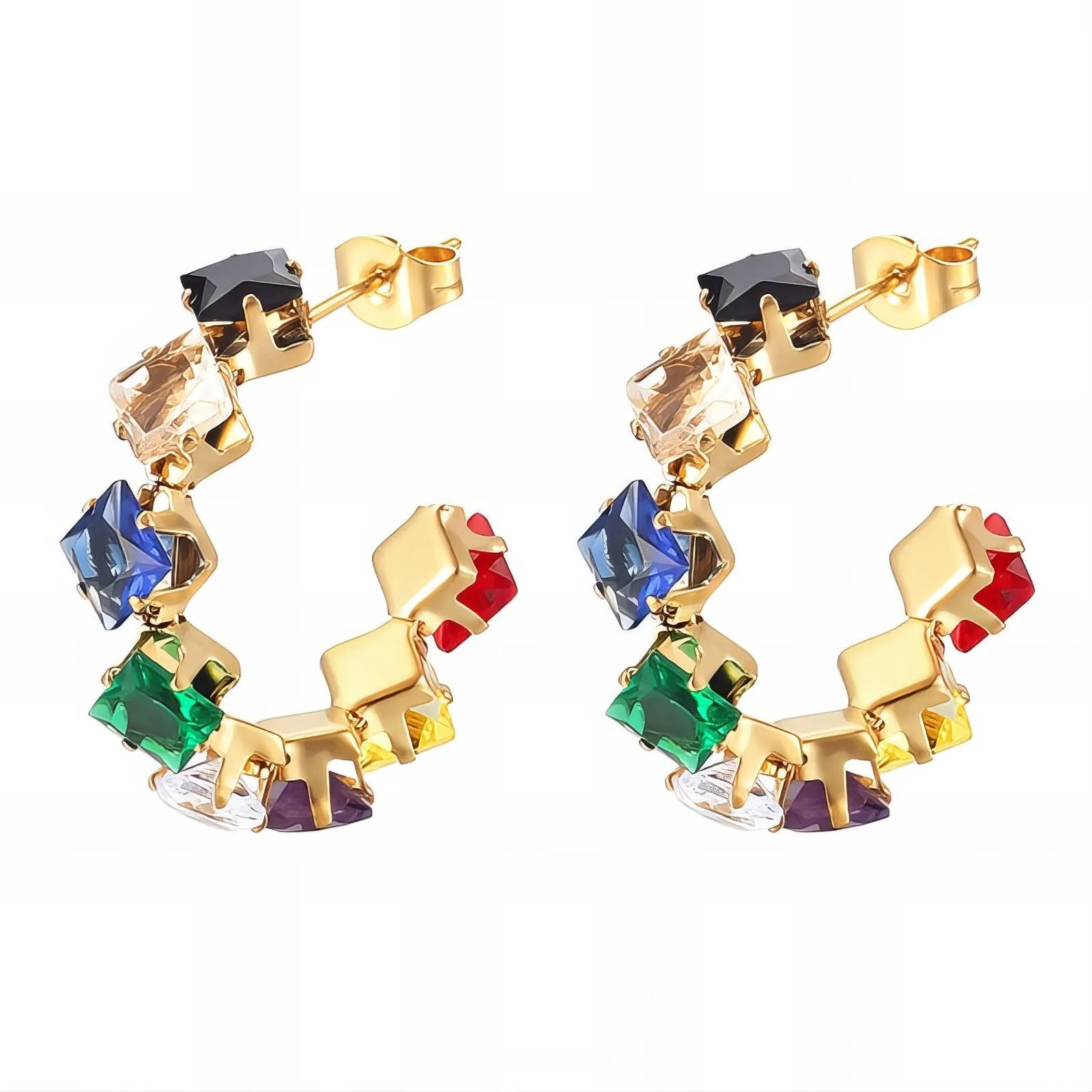
How to Clean Earrings Safely at Home
A material-aware earring cleaning routine for keeping posts, backs, hoops, and delicate finishes fresh without overdoing it.
Read the guide ↗
How to Care for Hoop Earrings
A simple hoop earring care routine that protects the finish, closure, and shape without making everyday jewelry feel precious.
Read the guide ↗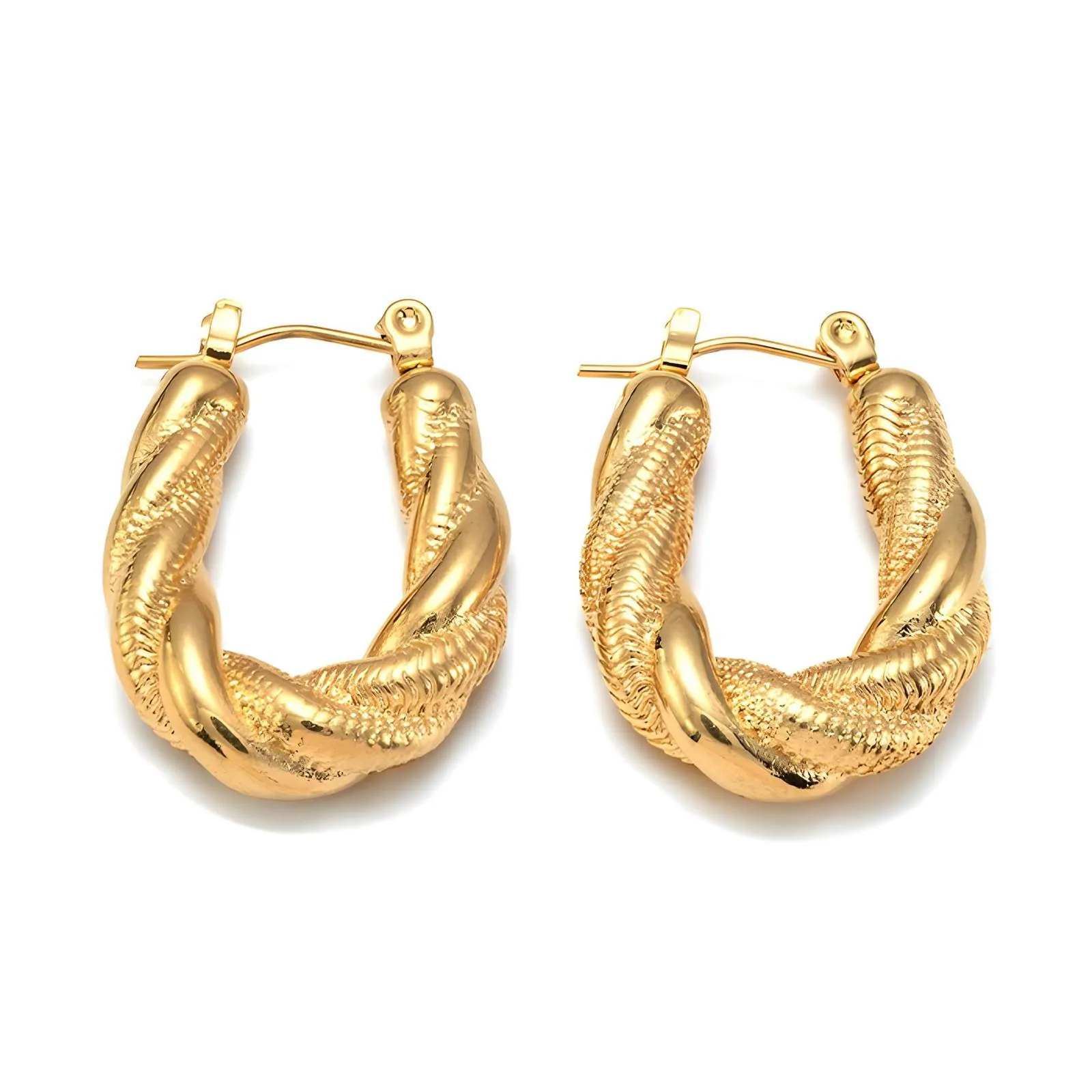
Does Gold-Plated Stainless Steel Tarnish?
Does gold-plated stainless steel tarnish? Learn what can change over time, how to spot finish wear, and the gentle care that helps it stay bright.
Read the guide ↗